

Futures Liquidated: The Shocking $102 Million Hour That Rocked Crypto Markets
BitcoinWorld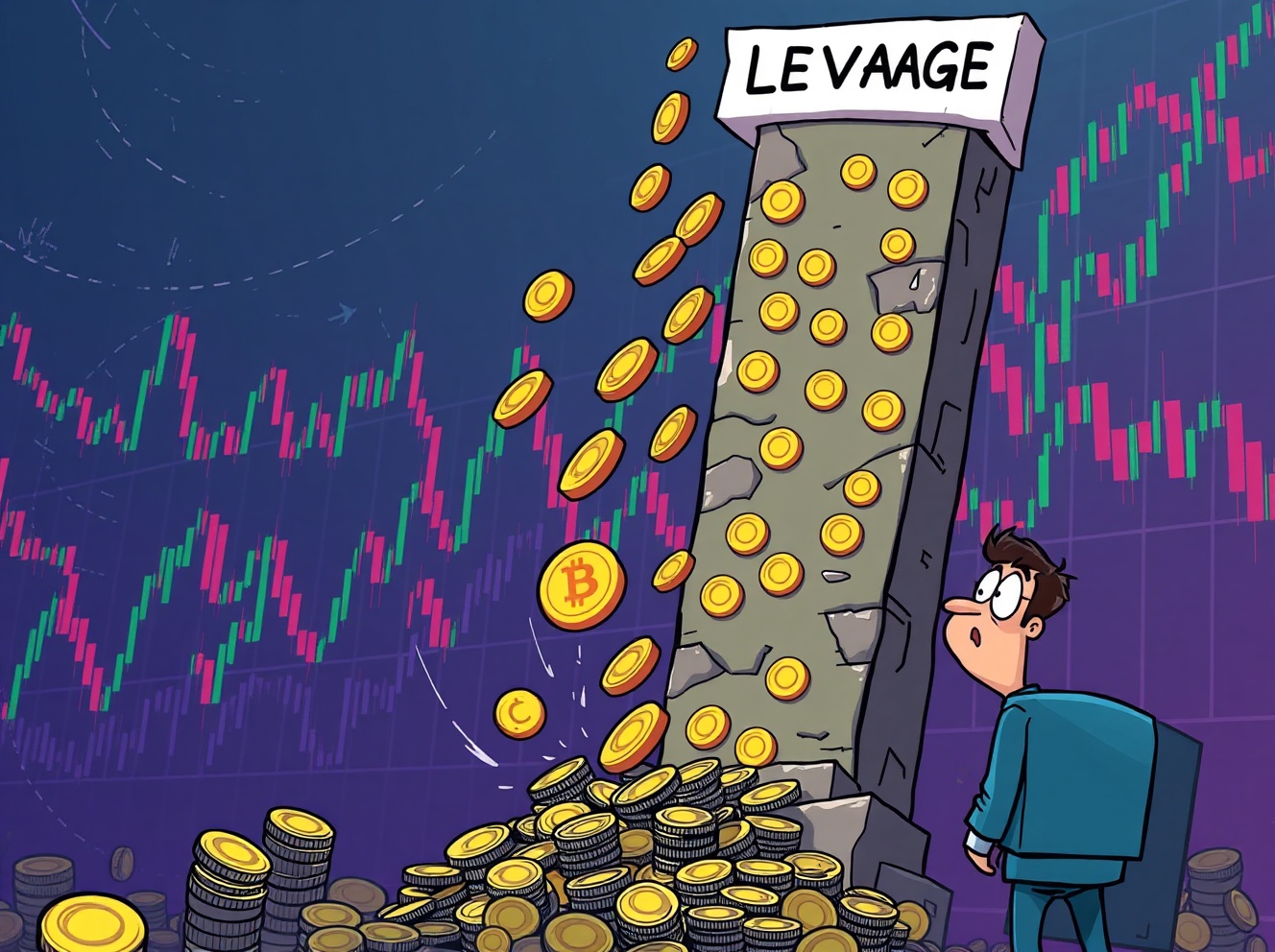
Futures Liquidated: The Shocking $102 Million Hour That Rocked Crypto Markets
The cryptocurrency market just experienced a turbulent hour that saw a staggering $102 million worth of futures liquidated across major exchanges. This sudden wave of forced position closures highlights the extreme volatility and high-risk nature of leveraged trading. For traders and investors, understanding what triggers these events is crucial for navigating the markets safely.
What Does $102 Million in Futures Liquidated Actually Mean?
When we talk about futures being liquidated, we refer to the forced closure of leveraged trading positions by an exchange. This happens when a trader’s collateral falls below the required maintenance margin. Essentially, the exchange sells the position to prevent further losses. The past hour’s $102 million futures liquidated event signals intense selling pressure and rapid price movements that caught many leveraged traders off guard.
To put this in perspective, the total futures liquidated in the last 24 hours reached $507 million. This indicates the selling wasn’t an isolated incident but part of a broader market correction. Such events often create a cascade effect, where liquidations trigger more price drops, leading to even more liquidations.
Why Do These Massive Liquidation Events Happen?
Several factors can converge to create the perfect storm for liquidations. First, excessive leverage is a primary culprit. Traders using high leverage have very little room for error before their positions get automatically closed. Second, sudden market news or whale movements can cause rapid price swings that breach liquidation thresholds.
- High Leverage Ratios: Traders often use 10x, 25x, or even 100x leverage, magnifying both gains and losses.
- Market Volatility: Cryptocurrency prices can swing 5-10% in minutes based on news or large trades.
- Cascade Effect: Initial liquidations create selling pressure, pushing prices down further and triggering more liquidations.
- Low Liquidity Periods: During off-hours or low-volume periods, price movements can be more exaggerated.
How Can Traders Protect Themselves from Futures Liquidations?
The key to surviving volatile markets is risk management. While leverage can amplify profits, it significantly increases your risk of being part of the next futures liquidated statistic. Here are actionable strategies to implement immediately.
First, always use stop-loss orders. These automatically close your position at a predetermined price level, giving you control instead of leaving it to the liquidation engine. Second, manage your leverage wisely. Consider using lower leverage ratios (3x-5x) instead of the maximum available. This gives your positions a larger buffer against market swings.
Third, never invest more than you can afford to lose in leveraged positions. The funds you allocate to futures trading should be separate from your long-term investment portfolio. Finally, stay informed about market conditions. Increased volatility warnings, large options expiries, or major news events often precede these liquidation waves.
The Ripple Effect: What Happens After Major Liquidations?
After a significant futures liquidated event, markets typically experience several phases. Initially, there’s often panic selling as traders rush to exit positions. This can create buying opportunities for those with available capital. However, the market sentiment usually turns negative in the short term.
Furthermore, exchanges may experience technical issues during extreme volatility. Order books can become imbalanced, and slippage can increase dramatically. For spot traders, these periods often present both danger and opportunity—prices may overshoot fundamental values during liquidation cascades.
Key Takeaways from Today’s $102 Million Liquidation Hour
The dramatic hour that saw $102 million futures liquidated serves as a powerful reminder of cryptocurrency market risks. Leveraged trading requires sophisticated risk management and constant vigilance. While the potential rewards attract many traders, the risks are equally substantial.
Successful traders respect market volatility rather than fight against it. They position sizes appropriately, use protective orders, and maintain emotional discipline during turbulent periods. Remember, preserving capital during downturns is just as important as capturing gains during rallies.
To learn more about the latest crypto market trends, explore our article on key developments shaping Bitcoin price action and institutional adoption.
Frequently Asked Questions (FAQs)
What triggers a futures liquidation?
A futures liquidation occurs when the value of a leveraged position falls below the exchange’s maintenance margin requirement. The exchange then automatically closes the position to prevent further losses.
How can I check if liquidations are happening?
You can monitor liquidation data on various cryptocurrency analytics websites that track real-time liquidation volumes across major exchanges. These platforms often display long/short ratios and liquidation heatmaps.
Are futures liquidations always bad for the market?
Not necessarily. While they create short-term volatility and pain for leveraged traders, liquidations can help reset overleveraged positions and create healthier market conditions in the longer term by removing excessive speculation.
What’s the difference between long and short liquidations?
Long liquidations happen when prices drop rapidly, forcing traders who bet on price increases to sell. Short liquidations occur when prices rise quickly, forcing traders who bet on price decreases to buy back their positions.
Can I avoid getting liquidated?
Yes, by using proper risk management: employing reasonable leverage, setting stop-loss orders, monitoring positions actively, and avoiding overexposure during known volatile periods.
Do liquidations affect spot market prices?
Yes, significant liquidation events often create selling pressure that impacts spot prices, especially when large positions get liquidated simultaneously across multiple exchanges.
Share This Critical Market Insight
Did this analysis help you understand the risks of leveraged trading? Help other traders navigate volatile markets by sharing this article on your social media channels. Knowledge about futures liquidated events and risk management could prevent someone from significant losses. Click the share button below to spread this important market education!
This post Futures Liquidated: The Shocking $102 Million Hour That Rocked Crypto Markets first appeared on BitcoinWorld.


Potrebbe anche piacerti

EUR/GBP Exchange Rate Surges as Bank of England Rate Hike Expectations Intensify – Market Analysis
Sui (SUI) Token Rockets 50% Weekly on Institutional Staking and Privacy Tech Rollout




