Web3.Market: A dApp marketplace for web3 code, templates, and developer tools
Disclosure: This article does not represent investment advice. The content and materials featured on this page are for educational purposes only.
Web3.Market brings the marketplace model to blockchain development, offering reusable dApp code, developer tools, and infrastructure resources to help teams build faster.
- Web3.Market operates a multi-vendor Web3 code marketplace with downloadable, runnable dApp packages covering common onchain use cases like DEXs, staking, presales, and token tools.
- It includes a Developer Hub that organizes essential Web3 tooling, such as RPCs, indexing, wallets, testing, security, and analytics, by build-stage category.
- The platform applies manual usability checks and optional AI contract scanning to improve code quality, while emphasizing the need for project-specific testing and audits.
Building decentralized applications typically means combining several parts: smart contracts, a front end, wallet connections, and backend infrastructure that can handle real usage. In web2, developers often browse template marketplaces such as CodeCanyon or Codester when a project needs a working base quickly. Web3 adds another layer of complexity because onchain logic can control assets and permissions, and mistakes can carry lasting impact.
Web3.Market applies the marketplace model to blockchain development with a clear focus on two areas: a Web3 file marketplace for downloadable dApp code and a Developer Hub for web3 tooling. The platform runs as a multi-vendor web3 code marketplace where independent builders publish items, new web3 developers join regularly, and new listings are added regularly.
Many web3 teams also face a practical reality: a large share of common onchain patterns has already been built in some form, and “starting from zero” often repeats work that exists elsewhere. A marketplace where web3 developers gather and publish reusable components can reduce that repetition by offering a ready base that teams can adapt, then validate through testing and review.
A file marketplace built around runnable packages
A code marketplace is only useful when listings arrive as complete packages rather than isolated snippets. Web3.Market’s marketplace is centered on downloadable bundles that are meant to run as described, with documentation that covers setup, configuration, and expected behavior. That packaging supports teams that want a starting point they can adapt to a specific use case, whether that means a smart contract template, a dApp starter kit, or supporting scripts.
Within the current marketplace catalog, common categories include practical build blocks used across many web3 products, such as DEX applications and exchange-style interfaces, ICO and presale packages, staking applications and staking contract bundles, token generator tools, SaaS-style crypto applications and vesting dashboards, and additional web3 scripts and dApp starter kits that cover recurring patterns.
The multi-vendor structure supports variety across different stacks and patterns. Instead of relying on a single publisher roadmap, the catalog can keep pace with how dApp development evolves because sellers can publish updates and new products as market needs shift.
Crypto checkout for digital code products
Web3.Market supports cryptocurrency payments for marketplace purchases. Prices may be shown in USD for reference, while transactions settle in supported crypto assets through a wallet-based flow. For many web3 teams, this aligns with day-to-day operations: payments that work across borders, and accounts that already sit in a wallet rather than a card profile.
Developer Hub: Web3 tooling organized by category
Code is only one part of shipping a dApp. Infrastructure decisions can take as much time as writing application logic: RPC access, indexing, wallet authentication, storage, analytics, testing, and security are recurring requirements across most projects.
Web3.Market’s Developer Hub aims to reduce that research overhead by grouping tools into practical categories used during web3 builds. Instead of a generic directory, the hub is structured around how teams assemble a stack, with sections that cover areas such as RPC and node services, indexing, oracles, storage, smart contract frameworks, testing utilities, security tools, wallets and authentication, analytics, bridges, onramps, and account abstraction. For teams comparing options mid-build, a categorized hub can shorten the time spent jumping between documentation sites and vendor pages.
Manual checks: usability standards and clear limits
Smart contract marketplaces face a persistent concern: code can look clean and be well documented while still failing in production due to business-logic mistakes, unsafe defaults, or unexpected integrations. Web3.Market’s approach includes manual checks focused on usability and completeness. Listings are reviewed to confirm that apps are runnable and that documentation is present and usable, which helps filter incomplete submissions and catch common quality problems.
At the same time, this type of review is not the same as a full external security audit. Web3.Market’s guidance reflects standard engineering practice: projects should run tests that match the intended use case, validate behavior on testnets before a mainnet launch, and seek independent audits for higher-value or more complex systems, especially at an enterprise level. This is particularly relevant for contracts that touch treasuries, lending logic, permissions, upgrade mechanisms, or other areas where errors can have serious downstream effects.
The practical interpretation is simple: marketplace code can shorten build timelines, but launch readiness still depends on project-specific testing and review that fits the system’s risk profile.
AI contract scanning as a small add-on
Alongside the file marketplace and Developer Hub, Web3.Market includes an AI-based smart contract scanner for Solidity contracts. The scanner generates a report with severity categories and suggested fixes, which can help surface common patterns during development iterations. Within the wider offering, the scanner functions as a supporting feature, while the main focus remains the web3 code marketplace and the Developer Hub.
Seller terms and an early developer offer
Web3.Market also serves developers who want to publish code, operating on a commission model. The standard commission rate is 20%. For early sellers, the first 100 approved developer applications receive a lifetime 15% commission rate instead of the standard 20%.
For developers creating reusable smart contract templates, scripts, or dApp starter kits, these terms position the marketplace as a distribution channel aimed at teams actively looking for web3 building blocks.
Meeting search demand for web3 building blocks
Interest around terms like “dApp marketplace,” “Web3 code marketplace,” “smart contract templates,” and “Web3 developer tools” reflects a shift in how teams build: more modular components, more reuse, and more demand for code that arrives ready to run with clear documentation.
Web3.Market positions itself in that space with a multi-vendor file marketplace for downloadable web3 code, a Developer Hub that organizes current tooling, and a lightweight contract scanner that supports iterative review workflows.
Disclosure: This content is provided by a third party. Neither crypto.news nor the author of this article endorses any product mentioned on this page. Users should conduct their own research before taking any action related to the company.
Potrebbe anche piacerti
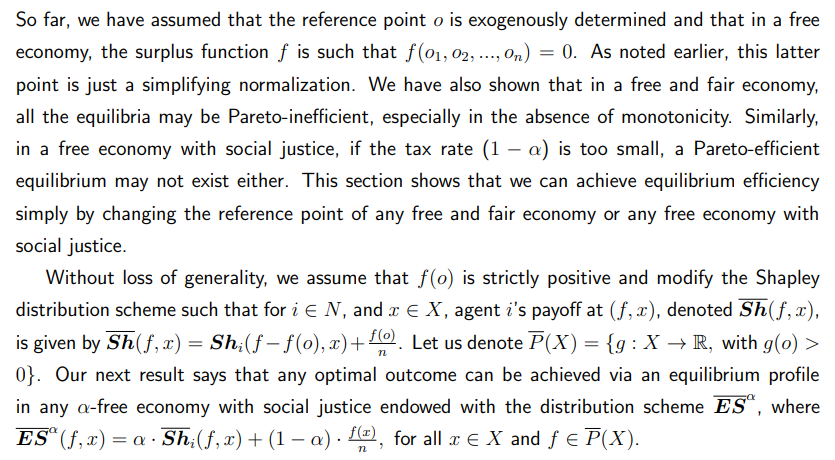
The Role of Reference Points in Achieving Equilibrium Efficiency in Fair and Socially Just Economies

Justin Baldoni Taps SBF’s Lawyer Amid Blake Lively Legal Saga