The global gaming renaissance will die a premature death without Europe | Opinion
Disclosure: The views and opinions expressed here belong solely to the author and do not represent the views and opinions of crypto.news’ editorial.
Current data shows that the global gaming industry continues to orbit around the gravitational pull of U.S. tech giants. They build the platforms. They control the rails. They dictate how games are built, sold, and played. But behind the industry’s glossy exterior lies a stagnant model—one that is centralized, extractive, and weighed down by legacy systems designed more for control than creativity.
And while much of the world looks to Silicon Valley for the next big innovation, something else is quietly happening in Europe. A new generation of European developers, studios, and builders has emerged. Not just to play the game differently, but to put players and creators first, and rewrite the rules in their favour.
These pioneers aren’t here to disrupt for the sake of buzz. They’re building something sharper, leaner, and fairer, line by line, system by system. The revolution won’t come with fireworks. It will come with tools that serve creators, platforms that reward players, and ecosystems that finally make sense.
If gaming is truly going through a renaissance, then Europe is its Florence. And ignoring it would be a fatal mistake.
The industry is broken: Europe is fixing it
Let’s call it what it is: the traditional gaming industry is broken. Major platforms like Steam and Epic have defined the digital distribution model for years. But they’ve also become gatekeepers, taxing developers, siloing audiences, and locking value inside walled gardens. Players grind for hours and walk away with nothing. Developers pour years into games and take home scraps. Publishers chase visibility through outdated systems ruled by opaque algorithms.
It’s a system that no longer serves the people who matter most: the gamers, the creators, and the communities. But Europe sees this decay for what it is: an opportunity. Not to slap a new interface on a tired model, but to rebuild gaming’s foundations entirely.
European studios are leading the charge with a deeper focus on user experience, ownership, and transparency. They’re not chasing hype cycles or replicating web2’s worst habits in web3 wrappers. They’re designing platforms that empower instead of extract.
These aren’t just new platforms. They’re creator-led, player-empowering, and built for the people the old system left behind.
Europe’s strategy: Building better, building fundamentally different
Here’s the thing—Europe never had the luxury of playing the industry’s game. For years, it lived in the shadow of bigger U.S. studios and funding giants. But that underdog status became its superpower. Without legacy systems to prop them up, European teams were forced to operate lean. Smaller budgets, tighter teams, and stricter regulations didn’t slow them down.
Innovation in Europe wasn’t about making noise, but making things work.
While the U.S. doubled down on ad-driven discovery and centralised control, Europe built with intent. It fostered a culture of experimentation, resilience, and creative risk-taking. Where others saw regulation as a burden, Europe saw standards to build against. That’s why its alignment with user rights, data transparency, and blockchain utility is no accident. It’s embedded in the culture.
Developers outside of the U.S. aren’t chasing headlines. In overlooked corners of the industry, they’re reimagining what gaming can be: faster, fairer, more interoperable and creator-owned, and more human.
Innovation beyond the game
Europe’s gaming revolution isn’t obsessed with graphics or gimmicks. The real action? It’s under the hood. Here, innovation doesn’t stop at gameplay. It extends to the very rails of gaming from ownership models, distribution infrastructure mechanics, and cross-game economies.
European builders are treating blockchain as it should be: an invisible muscle. It is not a gimmick slapped on for marketing but a silent engine driving fairness, interoperability, and speed. Players don’t just play—they own; developers don’t just publish—they profit.
This isn’t a tweak. It’s a teardown of the economics of play. In this future, grinding isn’t wasted effort—it’s an investment. Game assets are no longer stuck in one title. They’re part of a broader, user-driven economy. And revenue doesn’t flow to gatekeepers. It flows to those who create value.
This isn’t play-to-earn. This is play with purpose.
The new platform power
The centre of gravity is shifting. Where traditional US platforms hoarded power, Europe is decentralising it. Control is moving from platforms to players, from middlemen to makers.
New European platforms aren’t building ecosystems for passive consumption. They’re creating tools for active participation. Developers get early access to infrastructure. Players get frictionless experiences and real ownership. Communities get governance, rewards, and say.
This is more than just a new game store. This is a new operating system for gaming—a “gaming OS” that ties together experiences, players, and publishers into one interoperable universe.
Ignore Europe, and you miss the future
Yes, the U.S. still dominates headlines. But it’s Europe that’s laying the groundwork for gaming’s next chapter. Not with billion-dollar marketing budgets. But with better code. Better platforms. Better outcomes. A bolder vision.
The revolution won’t be televised. It’ll be quietly deployed, patched, and scaled by European creators who are tired of the old game and ready to build a new one.
This next frontier isn’t just about entertainment. It’s about equity, ownership, and agility. And it’s being built right now, block by block, inside the heart of Europe.
The future of gaming is player-led. Creator-powered. Europe-built.



Potrebbe anche piacerti

GOP lawmaker sues ex-wife who accused him of throwing boiling water on her
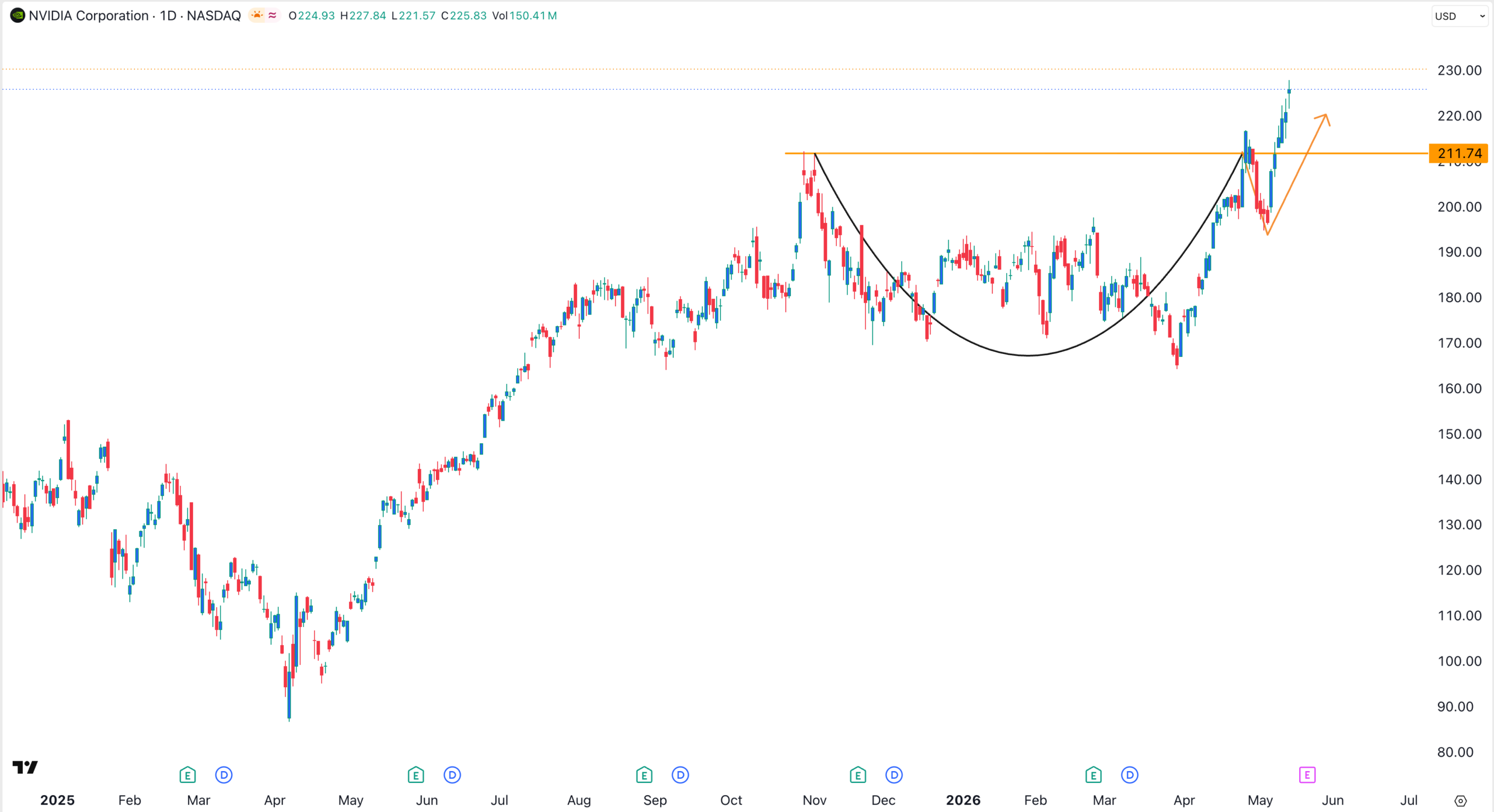
NVIDIA Stock Forecast as the US Clears H200 Chips Sales to China