

Kyrgyzstan’s finance ministry registers the USDKG stablecoin
Financial authorities in Kyrgyzstan have registered a new stablecoin, USDKG, which enjoys the full support of the state in the former Soviet republic.
The Central Asian nation is already home to the largest non-dollar stablecoin on the market, the Russian ruble-denominated A7A5.
And the latest fiat-linked cryptocurrency to be issued there will be tied to the Greenback and underpinned with stockpiles of precious metal.
USDKG to be issued in Kyrgyzstan within days
Kyrgyzstan’s Ministry of Finance announced the upcoming launch of USDKG, touted as the world’s first state-sponsored stablecoin that’s fully backed by physical gold.
It said the new crypto has been officially registered by the State Service for Regulation and Supervision of Financial Markets, the watchdog overseeing the non-bank segment of the country’s financial sector.
The digital currency is pegged to the U.S. dollar at a 1:1 ratio and supported by gold reserves controlled by the Kyrgyz state, Trend reported on Thursday, quoting the Treasury in Bishkek. The Azerbaijani news agency, which covers current events in the Caucasus and Central Asia, further detailed:
Once introduced, USDKG will serve as a financial instrument combining the time-tested reliability of the precious metal with the transparency of blockchain systems, the finance ministry highlighted.
The stablecoin project is part of a pilot program implemented to develop Kyrgyzstan’s digital economy and strengthen its financial sovereignty.
The plan to launch the asset-backed currency, also called “Gold Dollar,” was unveiled in May, when Kyrgyz authorities said it will appear in the third quarter of 2025.
At the time, an advisor to the project revealed it would start with $500 million worth of gold in store, with intentions to ultimately increase the reserves to $2 billion, as reported by Cryptopolitan.
In this week’s announcement, the Ministry of Finance noted the growing international interest in USDKG and shared its expectations that the coin will bolster Kyrgyzstan’s ambition to become a hub for financial innovation, attracting investments.
The department clarified that USDKG is not related to the digital som (KGST). The central bank digital currency (CBDC) project is still under discussion at the National Council for the Development of Virtual Assets and Blockchain Technologies.
Kyrgyzstan becomes a stablecoin hotspot
Officials also pointed out that, unlike other stablecoins that are linked to either gold or fiat money, USDKG relies on both. Trend elaborated:
Kyrgyz authorities believe the state-backed crypto will facilitate remittances. Many people in the country rely on the money sent by family members working abroad. They hope it will boost trade as well.
Another Kyrgyzstan-based stablecoin, that’s already being used for similar purposes, is the ruble-pegged A7A5. Created by a Russian company and backed by deposits in a Russian bank, the cryptocurrency is actually issued by a Kyrgyz-registered entity.
The coin is widely employed in cross-border transactions, contributing to Russia’s ranking first in the latest European crypto adoption report by Chainalysis.
With a market cap of around $500 million, it already accounts for around half of the total capitalization of all non-dollar stablecoins.
For its suspected use in Russian evasion of international financial restrictions imposed over the war in Ukraine, organizations linked to A7A5 have been targeted in Western sanctions.
The crypto, which Russia officially recognized as a digital financial asset, has created headaches for Bishkek, as Kyrgyz banks and crypto platforms were also among the sanctioned entities.
The smartest crypto minds already read our newsletter. Want in? Join them.
Potrebbe anche piacerti

Tether Backs Ark Labs’ $5.2 Million Bet on Bitcoin’s Stablecoin Revival
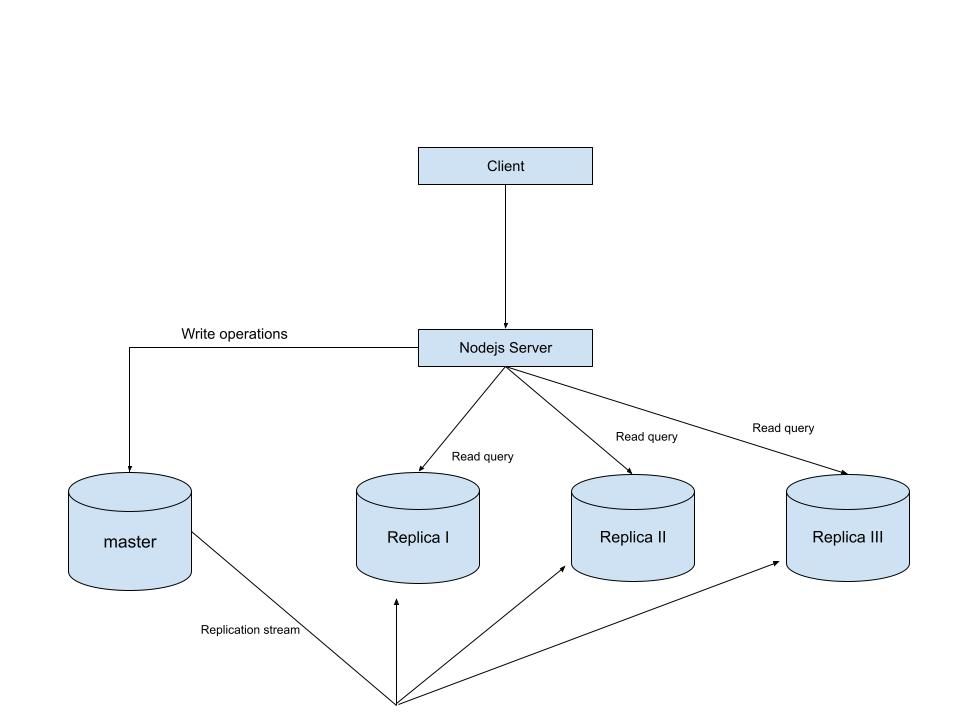
MySQL Single Leader Replication with Node.js and Docker
command: --server-id=1 --log-bin=ON The --server-id option gives each MySQL server in your replication setup its own name tag. Each one has to be unique and without it, replication won’t work at all. Another cool option not included here is binlog_format=ROW. This tells MySQL how to keep track of changes before passing them along to the replicas. By default, MySQL already uses row-based replication, but you can explicitly set it to ROW to be sure or switch it to STATEMENT if you’d rather log the actual SQL statements instead of row-by-row changes. \ Run our containers on docker Now, in the terminal, we can run the following command to spin up our database containers: docker-compose up -d \ Setting Up Our Master (Primary) Server To configure our master server, we would have to first access the running instance on docker using the following command docker exec -it mysql-master bash This command opens an interactive Bash shell inside the running Docker container named mysql-master, allowing us to run commands directly inside that container. \ Now that we’re inside the container, we can access the MySQL server and start running commands. type: mysql -uroot -p This will log you into MySQL as the root user. You’ll be prompted to enter the password you set in your docker-compose.yml file. \ Next, we need to create a special user that our replicas will use to connect to the master server and pull data. Inside the MySQL prompt, run the following commands: \ CREATE USER 'repl_user'@'%' IDENTIFIED BY 'replication_pass'; GRANT REPLICATION SLAVE ON . TO 'repl_user'@'%'; FLUSH PRIVILEGES; Here’s what’s happening: CREATE USER makes a new MySQL user called repl_user with the password replication_pass. GRANT REPLICATION SLAVE gives this user permission to act as a replication client. FLUSH PRIVILEGES tells MySQL to reload the user permissions so they take effect immediately. \ Time to Configure the Replica (Secondary) Servers a. First, let’s access the replica containers the same way we did with the master. Run this command in your terminal for each of the replica containers: \ docker exec -it <replica_container_name> bash mysql -uroot -p <replica_container_name> should be replace with the name of the replica container you are trying to setup b. Now it’s time to tell our replica where to get its data from. While inside the replica’s MySQL shell, run the following command to configure replication using the master’s details: CHANGE REPLICATION SOURCE TO SOURCE_HOST='mysql-master', SOURCE_USER='repl_user', SOURCE_PASSWORD='replication_pass', GET_SOURCE_PUBLIC_KEY=1; With the replication settings in place, let’s fire up the replica and get it syncing with the master. Still inside the MySQL shell on the replica, run: START REPLICA; This starts the replication process. To make sure everything is working, check the replica’s status with:
SHOW REPLICA STATUS\G; Look for Replica_IO_Running and Replica_SQL_Running — if both say Yes, congratulations! 🎉 Your replica is now successfully connected to the master and replicating data in real time.
Testing Our Replication Setup from the Node.js App Now that our replication is successfully set up, we can configure our Node.js server to observe the real-time effect of data being replicated from the master server to the replica server whenever we write to it. We start by installing the following dependencies:
npm i express mysql2 sequelize \ Now create a folder called src in the root directory and add the following files inside that folder connection.js, index.js and model.js. Our current directory should look like this We can now set up our connections to our master and replica server in the connection.js file as shown below
const Sequelize = require("sequelize"); const sequelize = new Sequelize({ dialect: "mysql", replication: { write: { host: "127.0.0.1", username: "root", password: "master", database: "replicaDb", }, read: [ { host: "127.0.0.1", username: "root", password: "slave", database: "replicaDb", port: 3307 }, { host: "127.0.0.1", username: "root", password: "slave", database: "replicaDb", port: 3308 }, { host: "127.0.0.1", username: "root", password: "slave", database: "replicaDb", port: 3309 }, ], }, }); async function connectdb() { try { await sequelize.authenticate(); } catch (error) { console.error("❌ unable to connect to the follower database", error); } } connectdb(); module.exports = { sequelize, }; \ We can now create a User table in the model.js file
const {DataTypes} = require("sequelize"); const { sequelize } = require("./connection"); const User = sequelize.define("User", { name: { type: DataTypes.STRING, allowNull: false, }, email: { type: DataTypes.STRING, unique: true, allowNull: false, }, }); module.exports = User \ and finally in our index.js file we can start our server and listen for connections on port 3000. from the code sample below, all inserts or updates will be routed by sequelize to the master server. while all read queries will be routed to the read replicas.
const express = require("express"); const { sequelize } = require("./connection"); const User = require("./model"); const app = express(); app.use(express.json()); async function main() { await sequelize.sync({ alter: true }); app.get("/", (req, res) => { res.status(200).json({ message: "first step to setting server up", }); }); app.post("/user", async (req, res) => { const { email, name } = req.body; let newUser = await User.build({ name, email, }); // This INSERT will go to the write (master) connection newUser = newUser.save({ returning: false }); res.status(201).json({ message: "User successfully created", }); }); app.get("/user", async (req, res) => { // This SELECT query will go to one of the read replicas const users = await User.findAll(); res.status(200).json(users); }); app.listen(3000, () => { console.log("server has connected"); }); } main(); When you make a POST request to the /users endpoint, take a moment to check both the master and replica servers to observe how data is replicated in real time. Right now, we are relying on Sequelize to automatically route requests, which works for development but isn’t robust enough for a production environment. In particular, if the master node goes down, Sequelize cannot automatically redirect requests to a newly elected leader. In the next part of this series, we’ll explore strategies to handle these challenges

