Amundi Bitcoin ETN is set to roll out in Europe in early 2026, offering regulated Bitcoin exposure to European investors.Amundi Bitcoin ETN is set to roll out in Europe in early 2026, offering regulated Bitcoin exposure to European investors.

Amundi Bitcoin ETN to roll out in Europe under MiCA in early 2026

For feedback or concerns regarding this content, please contact us at crypto.news@mexc.com
amundi bitcoin etn

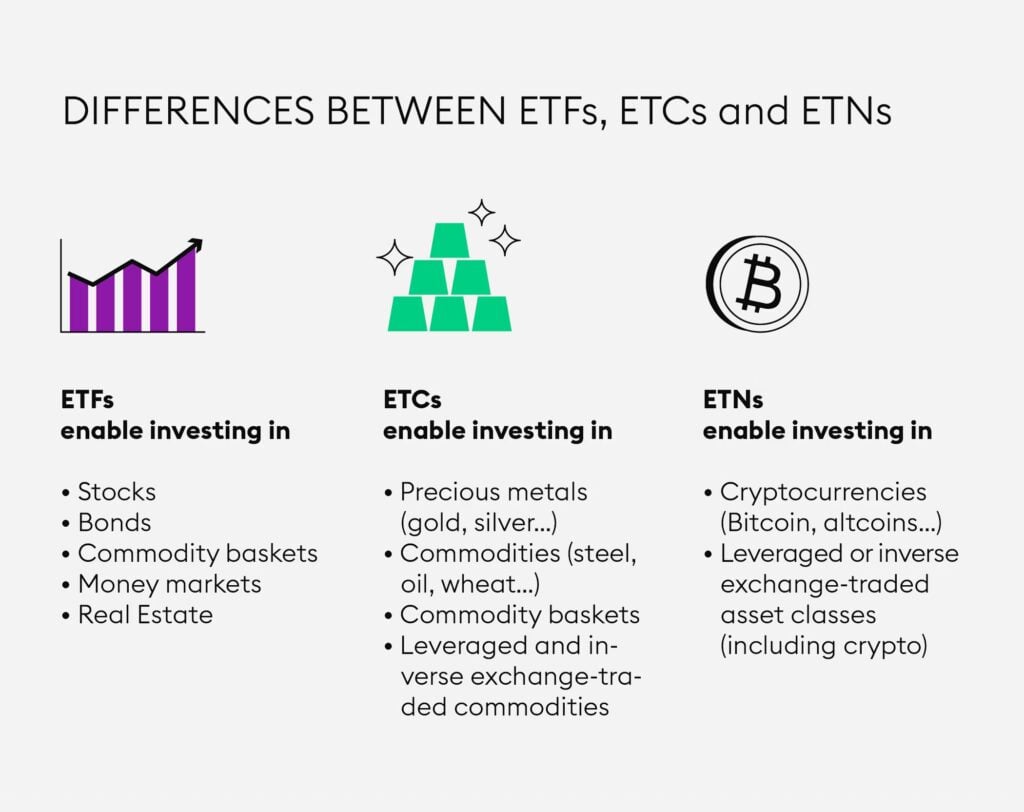
Amundi Bitcoin ETN is set to roll out in Europe in early 2026, offering regulated Bitcoin exposure to investors under the EU’s evolving MiCA rules. The move signals growing institutional interest and complements wider trends in European crypto product development.

Why Amundi Bitcoin ETN matters for Europe

The product matters because it provides a regulated vehicle from Europe’s largest asset manager, potentially widening both retail and institutional access. Regulated vehicle status may reduce operational friction for traditional investors, while distribution networks could drive scale. That said, exact trading venues, ticker and liquidity metrics remain described as preliminary, and the launch timing is publicly reported as early 2026.

How does MiCA crypto regulation impact Amundi ETN?

MiCA’s implementation across EU member states has improved legal clarity for crypto issuers and service providers. As a result, products like Amundi’s ETN can be structured to meet investor protection rules and transparency requirements. 

Is Amundi a BlackRock Bitcoin rival?

Some commentators frame the launch as positioning Amundi against major global managers, including BlackRock. Nevertheless, product structure, fees and issuer credit consideration will determine whether Amundi competes directly with U.S.-listed funds or remains focused on European distribution.

What does this mean for institutional Bitcoin adoption in Europe?

Institutional demand could grow as more regulated wrappers become available. In practice, ETNs avoid direct spot custody for investors and can be integrated into existing asset management platforms more easily. Accordingly, custodians and prime brokers report reduced onboarding friction when exposures are channelled through familiar asset managers.

From practical experience, traders note that ETN liquidity depends heavily on market makers and exchange listing choice. Portfolio managers, for their part, stress the need to evaluate credit risk of the issuer and the product’s tracking error before allocation.

Market Opportunity
Electroneum Logo
Electroneum Price(ETN)
$0.001009
$0.001009$0.001009
-2.60%
USD
Electroneum (ETN) Live Price Chart
Disclaimer: The articles reposted on this site are sourced from public platforms and are provided for informational purposes only. They do not necessarily reflect the views of MEXC. All rights remain with the original authors. If you believe any content infringes on third-party rights, please contact crypto.news@mexc.com for removal. MEXC makes no guarantees regarding the accuracy, completeness, or timeliness of the content and is not responsible for any actions taken based on the information provided. The content does not constitute financial, legal, or other professional advice, nor should it be considered a recommendation or endorsement by MEXC.

You May Also Like

Bhutanese government transfers 343.1 Bitcoins and may deposit them again on CEX

Bhutanese government transfers 343.1 Bitcoins and may deposit them again on CEX

PANews reported on September 18 that according to Onchain Lens , the Royal Government of Bhutan has transferred 343.1 bitcoins (approximately US$ 40.18 million) to a new wallet and is expected to deposit the funds into a centralized exchange ( CEX ) as in the past.
Share
PANews2025/09/18 17:22
Pi Network News: New Developments Could Push Price to $0.40

Pi Network News: New Developments Could Push Price to $0.40

Analysts highlight new Pi Network developments that could lift its price toward $0.40 in 2025.
Share
Blockchainreporter2025/09/18 07:59
Crypto Real Estate Hedge: Eric Trump Unlocks a Revolutionary Strategy

Crypto Real Estate Hedge: Eric Trump Unlocks a Revolutionary Strategy

BitcoinWorld Crypto Real Estate Hedge: Eric Trump Unlocks a Revolutionary Strategy In the dynamic world of finance, investors constantly seek innovative ways to safeguard and grow their wealth. Recently, Eric Trump, a prominent figure in real estate and business, made a notable statement that has captured significant attention: he believes a crypto real estate hedge is the perfect solution for protecting property assets. This perspective opens up a fascinating discussion about the evolving relationship between traditional investments and the burgeoning digital asset space. What Exactly is a Crypto Real Estate Hedge? When we talk about a crypto real estate hedge, we are referring to the strategy of using cryptocurrency investments to offset potential risks or volatility in a real estate portfolio. Think of it as diversifying your financial safety net. Historically, investors have used various assets like gold, bonds, or different market sectors to hedge against downturns in other areas. Cryptocurrency, with its unique characteristics, presents a fresh option for this strategy. Its often uncorrelated price movements relative to traditional markets can provide a valuable counterweight during economic shifts. This approach isn’t about replacing real estate, but rather enhancing its resilience through strategic digital asset allocation. Why Consider Crypto for Your Property Portfolio? The idea of integrating cryptocurrency into a real estate strategy might seem unconventional at first, but several compelling reasons support it: Diversification: Cryptocurrencies often operate independently of traditional financial markets. This lack of correlation can reduce overall portfolio risk, making it a strong diversification tool. Inflation Protection: Some cryptocurrencies, particularly Bitcoin, are seen by many as a hedge against inflation due to their finite supply. As fiat currencies lose purchasing power, a strong digital asset might retain or even increase in value. Liquidity: While real estate is a long-term, illiquid asset, cryptocurrencies offer high liquidity. You can convert them to cash relatively quickly, providing access to funds when needed. Accessibility: Digital assets are globally accessible, allowing investors to participate in a market that transcends geographical boundaries and traditional banking hours. Eric Trump’s endorsement underscores a growing recognition of these benefits among seasoned investors. He sees it as a forward-thinking move to secure wealth in an unpredictable economic climate. Navigating the Challenges of a Crypto Real Estate Hedge While the potential benefits are clear, adopting a crypto real estate hedge strategy is not without its challenges. The cryptocurrency market is known for its volatility, with prices often experiencing dramatic swings. This inherent risk requires a cautious and informed approach. Moreover, the regulatory landscape for cryptocurrencies is still evolving. Different countries and jurisdictions have varying rules, which can impact how digital assets are taxed and managed. Investors must also contend with the technical aspects of securely storing and managing their crypto holdings. Understanding wallet security, exchange reliability, and potential cyber threats is paramount. Therefore, thorough research and a clear understanding of your risk tolerance are essential before integrating crypto into your investment strategy. Actionable Insights for Property Investors For real estate investors considering a crypto real estate hedge, here are some actionable steps: Start Small: Begin with a modest allocation to cryptocurrencies that aligns with your overall investment goals and risk profile. You do not need to commit a large portion of your assets initially. Educate Yourself: Learn about different cryptocurrencies, blockchain technology, and market dynamics. Understanding the fundamentals is key to making informed decisions. Choose Wisely: Focus on established cryptocurrencies with strong fundamentals and a proven track record, such as Bitcoin or Ethereum, rather than highly speculative altcoins. Prioritize Security: Use reputable exchanges and secure storage solutions (like hardware wallets) for your digital assets. Two-factor authentication is a must. Consult Experts: Speak with financial advisors who understand both real estate and cryptocurrency markets. They can help tailor a strategy that suits your individual needs. This strategic integration can provide a robust layer of protection, especially during periods of economic uncertainty. It represents a modern approach to asset management, blending traditional stability with digital innovation. The Future of Asset Protection: A Compelling Summary Eric Trump’s statement about cryptocurrency being a perfect hedge for real estate assets highlights a significant shift in investment thinking. The concept of a crypto real estate hedge is gaining traction as investors seek resilient strategies in an increasingly interconnected and volatile global economy. While challenges exist, the potential for diversification, inflation protection, and enhanced liquidity makes cryptocurrency a compelling consideration for safeguarding and growing wealth. As the digital asset landscape matures, its role in traditional investment portfolios is likely to expand, offering innovative solutions for asset protection and growth. Embracing this forward-thinking approach could be a key differentiator for investors looking to future-proof their wealth. Frequently Asked Questions (FAQs) 1. What does ‘hedge’ mean in the context of a crypto real estate hedge? A hedge is an investment made to reduce the risk of adverse price movements in an asset. In this case, a crypto real estate hedge uses cryptocurrency to protect against potential declines or volatility in real estate values. 2. Is cryptocurrency a stable investment for hedging? Cryptocurrency is known for its volatility. However, its often uncorrelated price movements with traditional assets like real estate can make it an effective hedge, providing diversification even with its inherent risks. The key is strategic allocation and understanding. 3. Which cryptocurrencies are best for a real estate hedge? While any cryptocurrency could theoretically be used, investors typically consider larger, more established assets like Bitcoin (BTC) or Ethereum (ETH) due to their higher liquidity and broader adoption. These are generally considered less volatile than newer, smaller altcoins. 4. How much crypto should I allocate for a real estate hedge? The ideal allocation depends on your individual risk tolerance, overall portfolio size, and financial goals. Many financial advisors suggest starting with a small percentage, perhaps 1-5% of your total portfolio, and adjusting as you gain more understanding and comfort with the asset class. 5. What are the tax implications of using crypto as a hedge? Tax implications for cryptocurrency vary significantly by jurisdiction. Generally, capital gains from selling crypto are taxable, and some countries also tax crypto income or even certain transactions. It is crucial to consult with a tax professional familiar with cryptocurrency regulations in your region. Did you find this article insightful? Share it with your network and spark a conversation about the future of investment strategies! To learn more about the latest crypto market trends, explore our article on key developments shaping Bitcoin institutional adoption. This post Crypto Real Estate Hedge: Eric Trump Unlocks a Revolutionary Strategy first appeared on BitcoinWorld.
Share
Coinstats2025/09/18 01:30