

Khai Thác Không Cần Phần Cứng: Trò Chơi Meme Coin PepeNode Đạt 1,18 Triệu USD ICO – Chỉ Còn 2 Ngày Cho Vòng Hiện Tại
Thứ Ba, ngày 16 tháng 9 năm 2025 – PepeNode (PEPENODE), meme coin đầu tiên áp dụng cơ chế “mine-to-earn”, đã vượt mốc 1 triệu USD vào tuần trước và hiện bổ sung thêm gần 200.000 USD, nâng tổng vốn ICO lên 1,18 triệu USD.
Dự án mang đến mô hình game hóa, nơi nhà đầu tư có thể xây dựng và nâng cấp các “mỏ khai thác” ảo để nhận meme coin – lần đầu tiên xuất hiện trong lĩnh vực này – với các token như Pepe (PEPE), Fartcoin (FARTCOIN) và nhiều loại khác có thể khai thác.
Không giống những mô hình “cloud mining” gây tranh cãi vì hứa hẹn lợi nhuận phi thực tế, PepeNode được thiết kế dựa trên tokenomics bền vững. Cụ thể, 70% số token PEPENODE dùng để nâng cấp hoặc tinh chỉnh giàn khai thác sẽ bị đốt, tạo vòng lặp giảm phát, trực tiếp hỗ trợ giá trị dài hạn khi mức độ chấp nhận gia tăng.
Nhà đầu tư presale cũng không phải chờ đợi lâu, khi token đã có thể được stake với mức APY động 1.162%, cho phép holder gia tăng lợi nhuận ngay cả trước khi game chính thức ra mắt.
Hiện tại, token PEPENODE đang được mở bán với giá 0,0010617 USD, và mức giá này chỉ còn duy trì trong 2 ngày tới trước khi bước sang tier tiếp theo với giá cao hơn.
Vấn Đề Với Cloud Mining: Toán Học Phi Thực Tế và Những Hợp Đồng Rỗng TuếchCloud mining gần đây lại trở thành tâm điểm chú ý, với dữ liệu Google Trends cho thấy lượt tìm kiếm tăng mạnh trong tháng 8 – thậm chí xuất hiện song song với các cụm từ như “staking crypto”, vốn thường bị gom chung như một hình thức kiếm thu nhập thụ động.
Tuy nhiên, hai khái niệm này hoàn toàn khác nhau. Staking là việc khóa token trong một giao thức để nhận phần thưởng, trong khi cloud mining là thuê phần cứng khai thác để hưởng một phần lợi nhuận từ hoạt động đào coin.
Vấn đề nằm ở lịch sử tai tiếng của cloud mining. Trong thập kỷ qua, hàng loạt mô hình như BitClub Network và MiningMax bị phanh phui là Ponzi, trong khi Arbistar và HashOcean sụp đổ sau khi dụ dỗ nhà đầu tư bằng những cam kết lợi nhuận “đảm bảo”. Tổng thiệt hại đã lên tới hàng trăm triệu, thậm chí hàng tỷ USD, để lại di sản ngờ vực cho đến nay.
Sự nghi ngờ này không hề vô lý, bởi ngay cả hiện tại, nhiều nền tảng vẫn đưa ra những con số phi thực tế – chẳng hạn lời hứa rằng một hợp đồng Antminer trị giá 8.000 USD có thể mang về 1.000 USD lợi nhuận ròng chỉ trong vòng chưa đầy một tuần. Thực tế, chi phí điện năng, độ khó khai thác và yếu tố bền vững khiến những hứa hẹn này hoàn toàn bất khả thi.
Chính vì thế, khai thác ảo (virtual mining) thường bị mang tiếng xấu. Nhưng PepeNode đang thay đổi cuộc chơi: thay vì những hợp đồng mập mờ, dự án xây dựng một trò chơi khai thác minh bạch và được game hóa – nơi mỗi lần nâng cấp đều đốt token, mọi thiết lập đều công khai và hiệu quả phụ thuộc trực tiếp vào chiến lược của người chơi.
Tại Sao PepeNode Không Phải Cloud Mining 2.0PepeNode không phải cloud mining, cũng không đơn thuần là staking thụ động. Đây là một trò chơi khai thác ảo, nơi lợi nhuận phụ thuộc hoàn toàn vào chiến lược của người chơi.
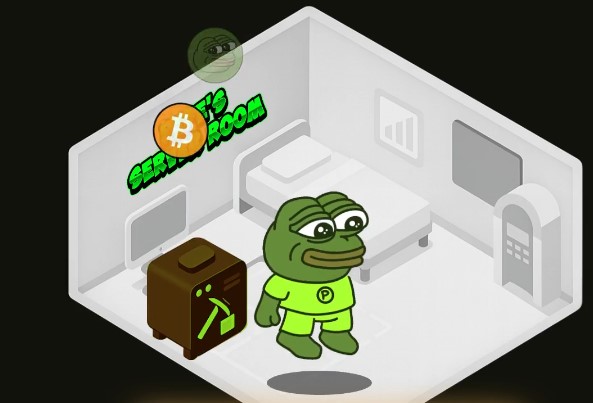
Người tham gia có thể xây dựng và nâng cấp giàn khai thác của riêng mình – từ node đơn lẻ cho đến cả một phòng máy chủ hoàn chỉnh. Việc kết hợp đúng các nâng cấp sẽ mở khóa hiệu suất cao hơn cùng những phần thưởng bổ sung, bao gồm các meme coin nổi bật như PEPE, FARTCOIN và nhiều loại khác.
Nói cách khác, thay vì “thuê hashpower” như cloud mining, người dùng trực tiếp thiết kế và tối ưu giàn khai thác ảo trong PepeNode.
Điểm khác biệt cốt lõi là PepeNode không hứa hẹn lợi nhuận cố định. Thay vào đó, quá trình khai thác được game hóa, cho phép người chơi toàn quyền kiểm soát và tối ưu hoạt động qua bảng điều khiển trực quan.
Đằng sau trò chơi là một tokenomics bền vững: 70% số token PEPENODE dùng cho việc nâng cấp sẽ bị đốt vĩnh viễn, giảm nguồn cung. Khi mức độ chấp nhận gia tăng, vòng lặp giảm phát này sẽ thúc đẩy nhu cầu và gia tăng giá trị dài hạn cho token.
PepeNode Sở Hữu Cơ Chế Staking ĐộngỞ giai đoạn presale quan trọng này, PepeNode đang làm điều mà phần lớn dự án khác chưa thực hiện. Thông thường, nhiều token mới buộc nhà đầu tư phải chờ đến TGE mới có thể sử dụng, và khoảng “thời gian chết” đó thường khiến nhiệt dự án giảm sút, đồng thời ảnh hưởng tiêu cực đến giá trị sau khi niêm yết.
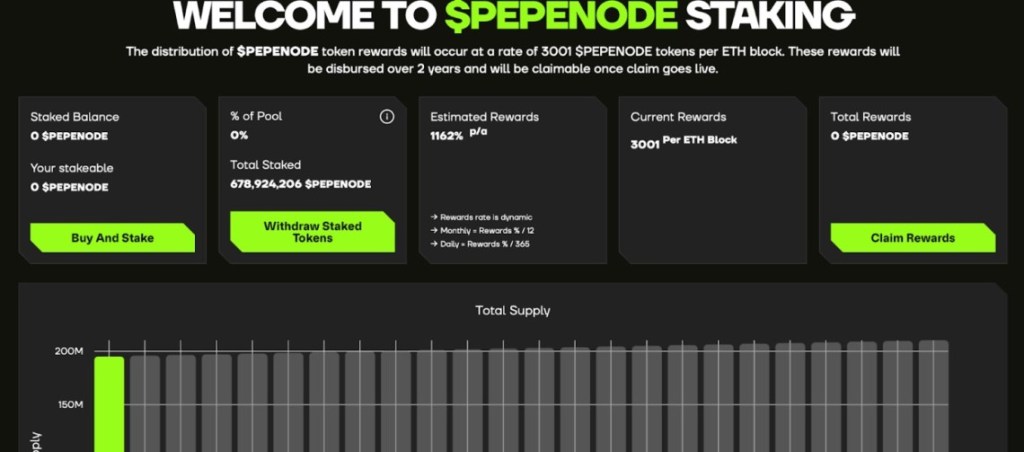
PepeNode đã khắc phục vấn đề này bằng cơ chế staking động, hiện mang lại mức APY 1.162% – đủ để một khoản đầu tư có thể nhân đôi chỉ sau hơn ba tháng nếu điều kiện duy trì ổn định.
Điều này đồng nghĩa với việc thay vì chờ đợi, nhà đầu tư presale có thể bắt đầu gia tăng tài sản ngay lập tức thông qua compounding.
Hệ thống staking được thiết kế để giữ chân cộng đồng, đồng thời tạo lợi thế sớm cho những người tham gia ban đầu. Sau này, số token đã stake có thể được chuyển trực tiếp vào trò chơi khai thác ảo, giúp người chơi xây dựng và nâng cấp giàn khai thác của mình.
Cách Mua Token PEPENODEGiờ đây, bạn có thể tham gia vào một nền tảng game hóa hứa hẹn tái định nghĩa cách mọi người nhìn nhận về khai thác tiền điện tử – nơi PepeNode loại bỏ những hạn chế trước đây và đặt chiến lược làm trọng tâm của hệ sinh thái.
Tiềm năng của dự án không chỉ nằm ở cơ chế giảm phát của token PEPENODE mà còn ở khả năng trở thành một tiêu chuẩn mới trong lĩnh vực crypto mining. Ngay cả những influencer như Borch Crypto cũng nhấn mạnh rằng PepeNode có thể là dự án tăng trưởng gấp 100 lần.
Để mua, hãy truy cập website chính thức của PepeNode. Bạn có thể thanh toán bằng ETH, BNB, USDT (ERC-20 hoặc BEP-20), hoặc thậm chí bằng thẻ tín dụng/ghi nợ. Người mua dễ dàng kết nối qua ví ưa thích, bao gồm Best Wallet – ứng dụng được chứng nhận bởi WalletConnect và là một trong những ví Bitcoin & crypto tốt nhất hiện nay.
PepeNode hiện cũng đã được niêm yết trong công cụ Upcoming Tokens của Best Wallet, giúp việc mua, theo dõi và claim token trở nên thuận tiện ngay khi dự án chính thức ra mắt.
Để đảm bảo an toàn, hợp đồng thông minh của PepeNode đã được Coinsult kiểm toán đầy đủ, mang lại sự bảo mật vững chắc cho nền tảng.
Theo dõi dự án trên X và Telegram để cập nhật tin tức mới nhất. Truy cập ngay PepeNode để tham gia sớm!
You May Also Like

Gold Hits $3,700 as Sprott’s Wong Says Dollar’s Store-of-Value Crown May Slip

The Role of Blockchain in Building Safer Web3 Gaming Ecosystems
- Immutable Ownership of Assets Blockchain records can be manipulated by anyone. If a player owns a sword, skin, or plot of land as an NFT, it is verifiably in their ownership, and it cannot be altered or deleted by the developer or even hacked. This has created a proven track record of ownership, providing control back to the players, unlike any centralised gaming platform where assets can be revoked.
- Decentralized Infrastructure Blockchain networks also have a distributed architecture where game data is stored in a worldwide network of nodes, making them much less susceptible to centralised points of failure and attacks. This decentralised approach makes it exponentially more difficult to hijack systems or even shut off the game’s economy.
- Secure Transactions with Cryptography Whether a player buys an NFT or trades their in-game tokens for other items or tokens, the transactions are enforced by cryptographic algorithms, ensuring secure, verifiable, and irreversible transactions and eliminating the risks of double-spending or fraudulent trades.
- Smart Contract Automation Smart contracts automate the enforcement of game rules and players’ economic exchanges for the developer, eliminating the need for intermediaries or middlemen, and trust for the developer. For example, if a player completes a quest that promises a reward, the smart contract will execute and distribute what was promised.
- Anti-Cheating and Fair Gameplay The naturally transparent nature of blockchain makes it extremely simple for anyone to examine a specific instance of gameplay and verify the economic outcomes from that play. Furthermore, multi-player games that enforce smart contracts on things like loot sharing or win sharing can automate and measure trustlessness and avoid cheating, manipulations, and fraud by developers.
- Cross-Platform Security Many Web3 games feature asset interoperability across platforms. This interoperability is made viable by blockchain, which guarantees ownership is maintained whenever assets transition from one game or marketplace to another, thereby offering protection to players who rely on transfers for security against fraud. Key Security Dangers in Web3 Gaming Although blockchain provides sound first principles of security, the Web3 gaming ecosystem is susceptible to threats. Some of the most serious threats include:
