Crypto is Now Part of India’s Long-Term Wealth Strategy, Reveals CoinDCX’s 2025 Annual Report
BitcoinWorld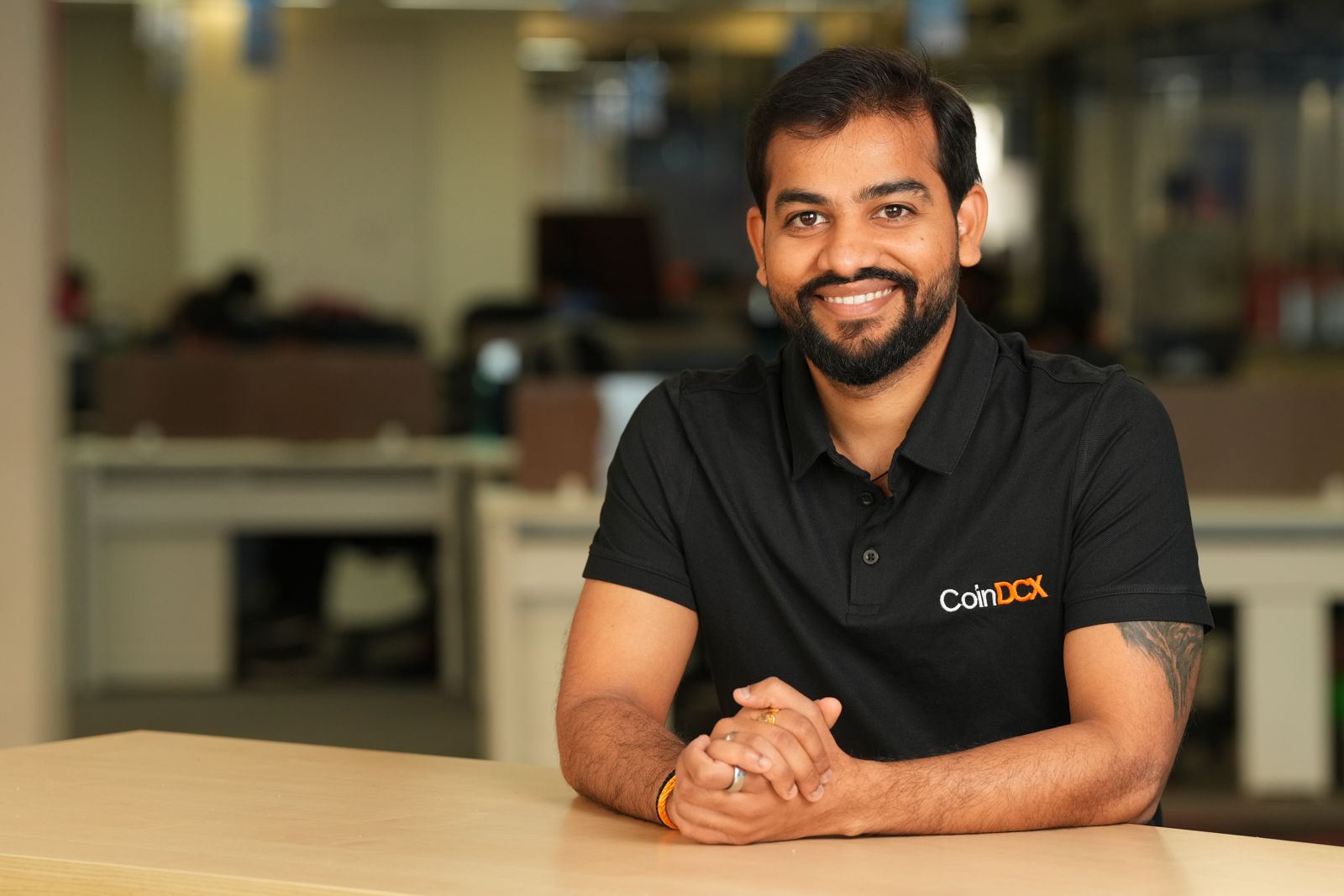
Crypto is Now Part of India’s Long-Term Wealth Strategy, Reveals CoinDCX’s 2025 Annual Report
Investors are evolving beyond ‘Crypto equals Bitcoin’
- Growing trust in the asset class fuels broader diversification: Average investors now hold 5 tokens (up from 2-3 in 2022), with 43.3% preferring Layer-1 assets, reinforcing strategic allocation.
- Indian crypto portfolios today are centred around Layer-1 networks, DeFi assets, AI-driven tokens, and Layer-2 scaling plays.
- Average Indian crypto portfolio split in volumes is dominated by layer 1 – 43.3%, BTC – 26.5% and Memes – 11.8 %
- Bharat drives the revolution:
Non-metro cities now account for 40% of India’s crypto users. The story of 2025: India’s heartland moved from observers to leading participants. - Global regulation signals maturity and urgency: In 2025, regulatory clarity across the US, UK and Europe firmly positioned digital assets within mainstream financial systems. For India, the takeaway is unmistakable: this is a category that can no longer be sidelined, and timely action will determine competitiveness.
Bengaluru, December 4, 2025: CoinDCX, India’s largest crypto exchange, today released its Annual Report titled “2025: The Story of Crypto in India”, offering the most comprehensive view yet of how Indian investors are reshaping digital asset adoption. The report highlights a year marked by record participation, structural maturity, and a pronounced shift to long-term, research-led investing.
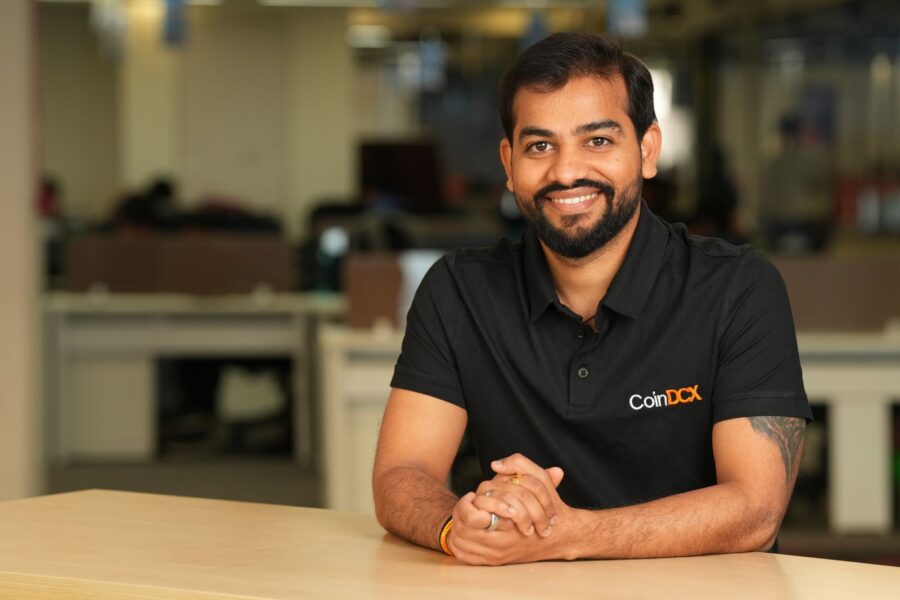
CoinDCX reported ₹51,333 Crores in trading volume in FY25, but the real story is the behavioral and structural shift taking place in India’s crypto ecosystem. Commenting on this transformation, Sumit Gupta, Co-Founder, CoinDCX, said: “If you’re still watching price charts, you’re missing the revolution happening beneath the surface. In 2025, global institutions stepped in, regulation found its voice globally, and mainstream investors began recognising the true potential of crypto and incorporating it into their portfolios. Every revolution has a moment when belief becomes undeniable. For women’s cricket, 2025 was that moment, years of unseen work finally met a win that made a nation pay attention. For crypto, 2025 is similar.”
“India has more than 20 crore demat accounts, which reflects a strong and growing investment mindset. Now, Indians also have an opportunity and access to a global, borderless asset class operating 24×7. For a market already comfortable with financial assets, crypto represents a natural next frontier. The responsibility now lies with crypto exchanges to elevate the ecosystem through compliance, transparency, investor education, and long-term infrastructure. The opportunity is significant, but so is the obligation to build it responsibly.”
Snapshot of the report
Enhanced Investors’ Confidence
The Indian crypto investor today holds an average of 5 tokens per portfolio (up from 2-3 in 2022). Indian investors have graduated from ‘Crypto equals Bitcoin’. They have now started to understand the underlying fundamentals of different tokens. For instance, Ethereum powers decentralized finance, tokenization, and real-world applications. 43.3% of investors prefer Layer-1 tokens, a clear indicator of research-driven diversification rather than single-asset speculation.
2025 also saw the rise of theme-driven participation. Investors are increasingly approaching crypto like equities, grouping assets based on sectors and future potential rather than reacting to short-term movements. Average Indian crypto portfolio split in volumes is dominated by layer 1 – 43.3%, BTC- 26.5% and Memes – 11.8 %.
Bengaluru led the transformation with ETH volumes surging 6.6x (from $4 million to $26 million), while Pune witnessed the sharpest increase at 10x (from $2.2 million to $20 million). Mumbai, India’s financial capital, decisively shifted to Ethereum ($22 million) over Bitcoin ($16 million).
Lucknow recorded 5x Ethereum growth and emerged as a SUI hub. Pune quadrupled Solana volumes.
Average investor age rose from 25 to 32, yet another sign of financial stability entering the market.
Bharat’s Breakout: When Lucknow Outpaces Mumbai
The most striking revelation: 40% of India’s crypto users now come from Tier-2 and Tier-3 cities, with non-metros driving the year’s most explosive growth. Lucknow recorded a 5x surge in Ethereum trading while emerging as a major hub for SUI adoption. Pune became India’s most active upcoming metro market, with Solana volumes quadrupling. Jaipur saw Ethereum double to overtake Bitcoin, while Solana tripled, reflecting steady, organic participation rather than hype-led trading.
Among non-metros, Lucknow led in absolute volume (₹4,000 crore), followed by Patna and Jaipur. Even cities like Bhopal, Chandigarh, Indore, Guwahati, and Ludhiana entered India’s top trading centers, , proving that the next wave of crypto growth is being shaped not by metros, but by the aspirations of emerging India.
Women Investors Double; Kolkata, Pune Lead the Charge
Female participation in crypto doubled year-on-year, driven by educational content, simplified user experiences, and trust-led narratives.
Kolkata emerged as the top city for women investors, followed by Delhi and Mumbai. Among non-metros, Bhubaneswar, Kochi and Vodadara led female participation. Emerging cities like Siliguri, Imphal, and Ernakulam recorded notable growth. Women investors showed strong diversification, with top holdings including Bitcoin, Ethereum, Shiba Inu, Dogecoin, Polygon, XRP, Solana, Cardano, Decentraland, and Avalanche.
Commenting on what to expect in 2026, Sumit said,“If 2025 was the year crypto came of age in India, then 2026 will define the next phase of digital finance. The price pattern associated with the Bitcoin halving cycle will no longer shape market behaviour, and that’s a healthy shift. Today participation is increasingly research-led and institutionally aligned. With 55% of hedge funds now holding crypto, averaging a 7% allocation, and a majority planning to increase exposure, the market has clearly entered a more stable, long-term phase. Institutional adoption is no longer a signal of what’s coming, it’s now the baseline.”
About DCX Group
Founded in 2018 CoinDCX was established with a mission to make crypto accessible to Indians in a simple and compliant manner, CoinDCX is today India’s largest exchange, trusted by over 2 crore users.
Today, the company has evolved into DCX Group, a multi-entity ecosystem with touchpoints across India
and international markets.
In 2024, the company took its first step towards international expansion with the acquisition of Dubai-
based BitOasis, MENA’s leading virtual assets broker-dealer. In 2025, BitOasis expanded into Bahrain,
further strengthening the Group’s presence in the region.
Beyond exchanges, the Group powers the Web3 economy through CoinDCX Ventures, which has backed
more than 15 pioneering projects, and Okto, its Web3 wallet with 2 crore users globally.
The Group is backed by global investors including Pantera, Steadview Capital, Kingsway, Polychain
Capital, B Capital Group, Bain Capital Ventures, Cadenza, Draper Dragon, Republic, Kindred, and
Coinbase Ventures.
This post Crypto is Now Part of India’s Long-Term Wealth Strategy, Reveals CoinDCX’s 2025 Annual Report first appeared on BitcoinWorld.
You May Also Like

Filecoin Breakout Alert: Analysts Eye Explosive Jump Toward $15 and $30

Tokenized Assets Shift From Wrappers to Building Blocks in DeFi