

Vitalik Buterin Sells Two Meme Coins, Scores $114.7K in 13,889 USDC & 28.58 ETH
Key Takeaways:
- Vitalik Buterin recently sold two memecoins he had received as gifts, converting them into 13,889 USDC + 28.58 ETH (≈ $114,700)
- This move mirrors his consistent approach of liquidating unsolicited meme tokens and often directing proceeds toward charitable or neutral uses
- These kinds of sales have the propensity to cause acute fluctuations in meme token markets and affect the sentiment speculation
Ethereum co-founder Vitalik Buterin made a lightning-fast trade to liquidate two memecoins he had received as a gift and convert them into stablecoin and ETH. This gesture again illustrates how high-profile wallets interact with speculative crypto assets and shakes out ripple effects across niche token markets.
On-Chain Sale Breakdown
What Was Sold and the Returns
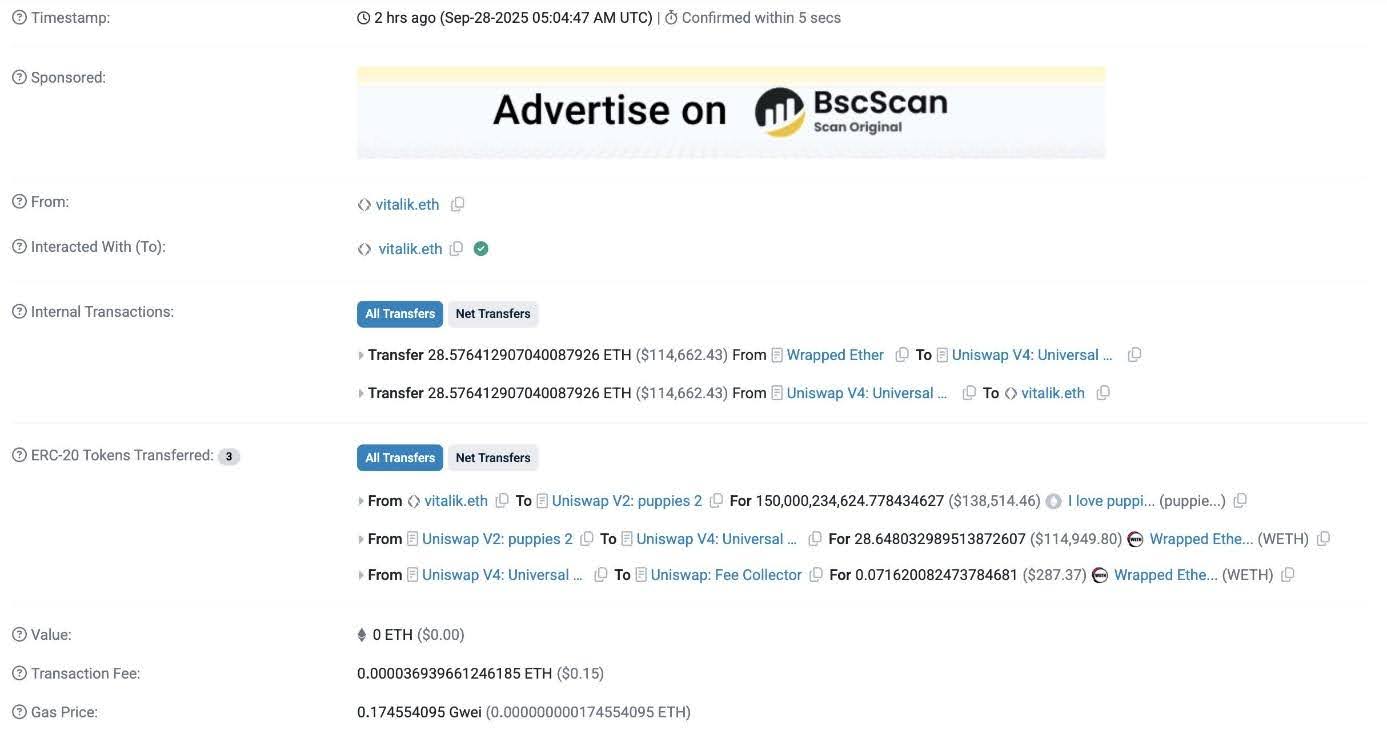
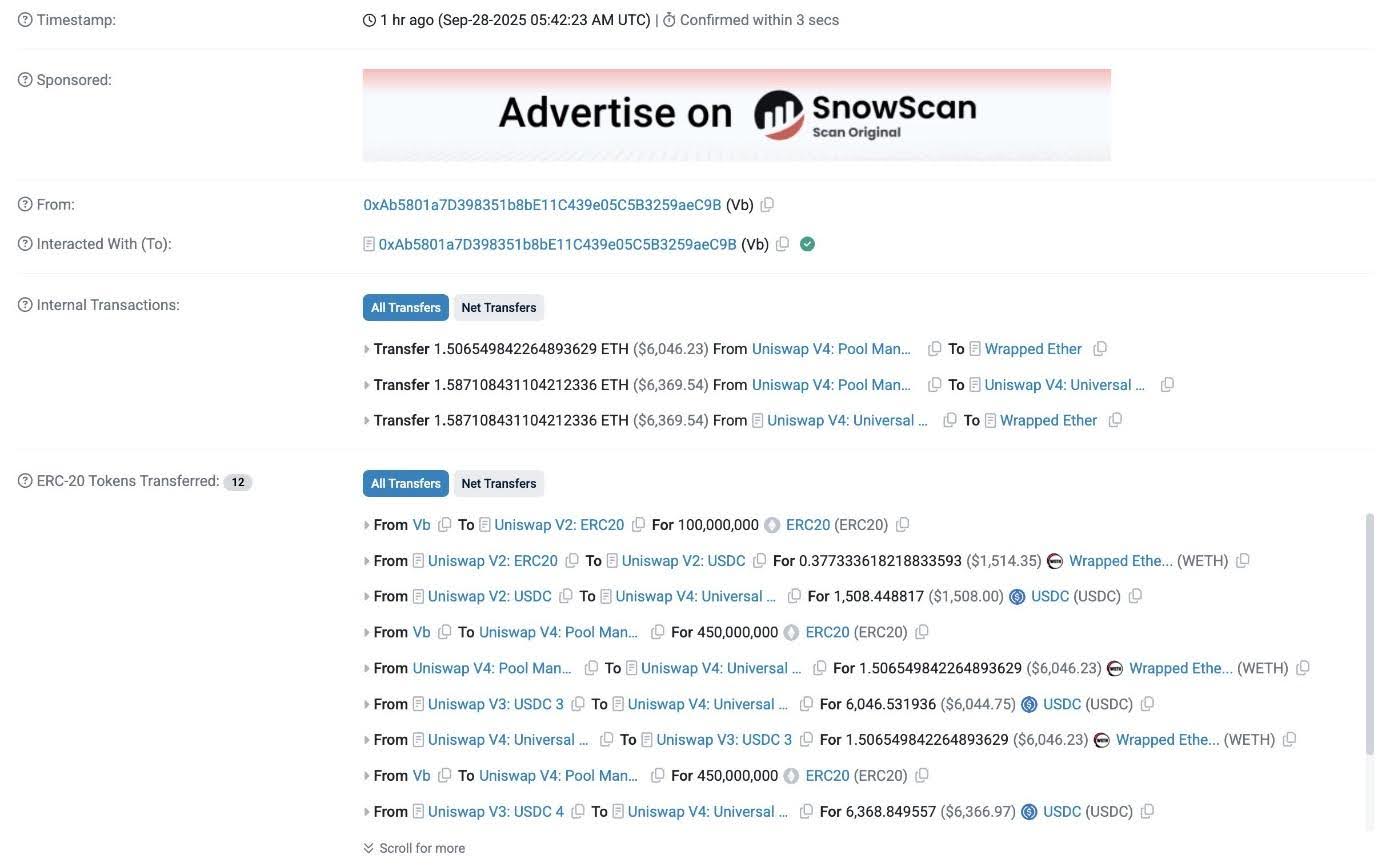
Blockchain monitoring through Lookonchain reports that Vitalik sold two memecoins he had received within a two-hour window, netting 13,889 USDC and 28.58 ETH. The total value of the transaction is estimated at $114,700 (based on market rates).
These tokens were not purchased by him; they were unsolicited transfers that ended up in his wallet. His decision: convert them quickly rather than hold speculative assets.
Read More: Vitalik Buterin Warns: Ethereum Risks Becoming Just Another Corporate Protocol
Pattern & Philosophical Consistency
This is not the first act like this that Vitalik has performed. A long-standing policy of his has been that any memecoins received at his address without prior notice will be sold or given away.
Such sales have traditionally been donated to charity or research funded projects. In most situations, he has preferred to channel them through his philanthropic or biotech-oriented organization, Kanro.
Read More: GameSquare Greenlights $100M Ethereum Strategy, Eyes Up to 14% Yield via DeFi Alliance
The post Vitalik Buterin Sells Two Meme Coins, Scores $114.7K in 13,889 USDC & 28.58 ETH appeared first on CryptoNinjas.
You May Also Like

‘European SEC’ proposal sparks licensing concerns, institutional ambitions
Legal experts are concerned that transforming ESMA into the “European SEC” may hinder the licensing of crypto and fintech in the region. The European Commission’s proposal to expand the powers of the European Securities and Markets Authority (ESMA) is raising concerns about the centralization of the bloc’s licensing regime, despite signaling deeper institutional ambitions for its capital markets structure.On Thursday, the Commission published a package proposing to “direct supervisory competences” for key pieces of market infrastructure, including crypto-asset service providers (CASPs), trading venues and central counterparties to ESMA, Cointelegraph reported.Concerningly, the ESMA’s jurisdiction would extend to both the supervision and licensing of all European crypto and financial technology (fintech) firms, potentially leading to slower licensing regimes and hindering startup development, according to Faustine Fleuret, head of public affairs at decentralized lending protocol Morpho.Read more

BlackRock boosts AI and US equity exposure in $185 billion models

