

Crypto Fear & Greed Index Stuck at 22: What Extreme Fear Means for Your Portfolio
BitcoinWorld
Crypto Fear & Greed Index Stuck at 22: What Extreme Fear Means for Your Portfolio
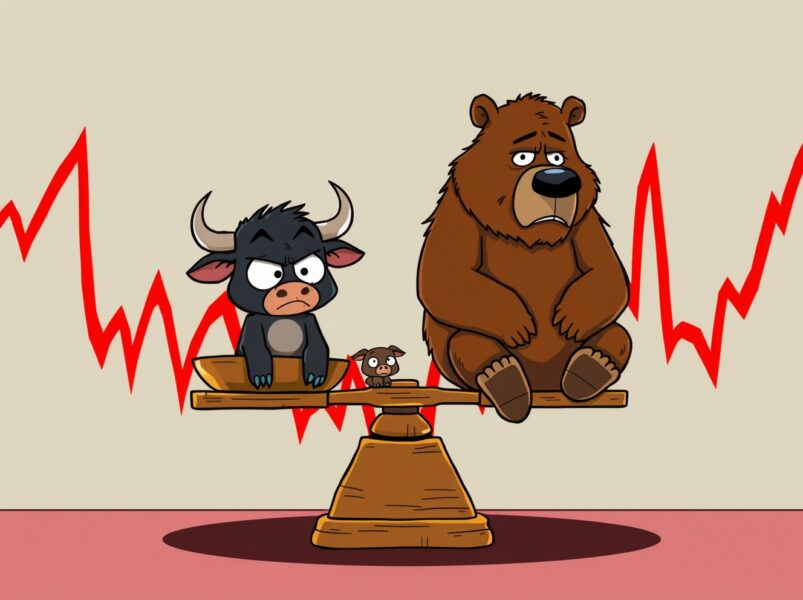
If you’ve felt a chill in the cryptocurrency air lately, you’re not imagining it. The Crypto Fear & Greed Index has frozen at a reading of 22, firmly planting the market in ‘extreme fear’ territory. This crucial sentiment gauge, a favorite among traders and analysts, suggests investor anxiety is running high. But what does this persistent fear actually signal, and more importantly, how should you navigate it? Let’s break down the numbers and the psychology behind them.
What is the Crypto Fear & Greed Index Telling Us Right Now?
The Crypto Fear & Greed Index is more than just a number. Compiled by Alternative.me, it acts as the market’s emotional pulse check. A score of 22, unchanged from the previous day, is a clear signal. The scale runs from 0 (extreme fear) to 100 (extreme greed). Therefore, hovering just above 20 indicates a market gripped by significant pessimism and caution. This isn’t a fleeting moment of doubt; it’s a sustained state of worry that influences trading decisions across the board.
How is the Fear & Greed Index Calculated?
This index doesn’t rely on gut feeling. It uses a data-driven formula to quantify the market’s mood. Understanding its components helps explain why the reading is so low:
- Volatility (25%): Sharp price swings, especially downward, increase fear.
- Market Volume (25%): High sell-off volume versus buying volume points to panic.
- Social Media (15%): The tone of conversations on platforms like Twitter and Reddit.
- Surveys (15%): Direct sentiment polls from the community.
- Bitcoin Dominance (10%): A shift to Bitcoin can signal a ‘flight to safety’.
- Google Trends (10%): Search volume for negative or positive terms.
The current Crypto Fear & Greed Index score suggests these factors are collectively painting a bleak picture.
Is Extreme Fear a Bad Sign or a Hidden Opportunity?
This is the critical question for every investor. Historically, the Crypto Fear & Greed Index has been a powerful contrarian indicator. Periods of ‘extreme fear’ have often preceded major market bottoms and buying opportunities. Why? Because when everyone is selling in panic, assets can become undervalued. However, ‘extreme fear’ can also precede further declines if the underlying market issues are severe. The key is to differentiate between irrational panic and justified caution based on fundamental problems.
Actionable Insights for Trading in a Fearful Market
Navigating a market with a low Crypto Fear & Greed Index requires a cool head and a clear strategy. Here are some steps to consider:
- Do Not Panic Sell: Selling at the peak of fear often locks in losses.
- Review Your Portfolio: Assess which assets have strong fundamentals versus those driven purely by hype.
- Consider Dollar-Cost Averaging (DCA): This strategy involves buying fixed amounts at regular intervals, which can be effective in volatile, fearful markets.
- Set Clear Limits: Define your risk tolerance and set stop-loss orders if necessary to manage downside.
- Use the Index as a Gauge, Not a Gospel: It’s one tool among many. Combine it with technical and fundamental analysis.
The Psychological Battle: Mastering Your Own Fear & Greed
The most important chart isn’t on your screen; it’s in your mind. A low Crypto Fear & Greed Index often triggers our own worst instincts—the urge to follow the herd off a cliff. Successful investors learn to recognize these emotional triggers. They understand that market sentiment is cyclical. The extreme fear of today will eventually give way to optimism, and later, potentially to extreme greed. Your goal is not to time these cycles perfectly but to avoid making catastrophic decisions at the emotional extremes.
In conclusion, the Crypto Fear & Greed Index holding at 22 is a stark reminder of the market’s current nervous disposition. It reflects real data from volatility, volume, and social sentiment. While it signals caution, history teaches us that such pervasive fear can also seed the next opportunity. The wisest approach is to stay informed, stick to your long-term strategy, and remember that in the chaotic world of crypto, sometimes the best move is to simply not make a move driven by panic. Use this period of fear to conduct thorough research and prepare for the market’s next phase.
Frequently Asked Questions (FAQs)
Q: What does a Crypto Fear & Greed Index score of 22 mean?
A: A score of 22 indicates the market is in a state of ‘extreme fear.’ It is very close to the lowest possible score of 0, meaning investor sentiment is overwhelmingly negative and risk-averse.
Q: Who creates the Crypto Fear & Greed Index?
A: The index is compiled and published by the data provider Alternative.me. It has become a widely referenced benchmark for cryptocurrency market sentiment.
Q: Should I buy when the Fear & Greed Index shows extreme fear?
A: It can be a potential signal to look for buying opportunities, as prices may be undervalued. However, it should not be used in isolation. Always conduct your own research and consider your financial goals and risk tolerance.
Q: How often is the index updated?
A: The Crypto Fear & Greed Index is updated daily, providing a near real-time snapshot of shifting market emotions.
Q: Can the index predict Bitcoin’s price?
A> No, it does not predict price direction. It measures current sentiment, which is just one factor that influences price. Sentiment can remain fearful even as prices begin to rise slowly.
Q: What is considered a ‘neutral’ score on the index?
A: A score around 50 is generally considered neutral, indicating a balance between fear and greed in the market.
Found this breakdown of the Crypto Fear & Greed Index helpful? Market sentiment affects all of us. Share this article on Twitter or Reddit to help other investors understand what ‘extreme fear’ really means and how to navigate it wisely.
To learn more about the latest cryptocurrency market trends, explore our article on key developments shaping Bitcoin price action and long-term institutional adoption.
This post Crypto Fear & Greed Index Stuck at 22: What Extreme Fear Means for Your Portfolio first appeared on BitcoinWorld.
You May Also Like

Gold Hits $3,700 as Sprott’s Wong Says Dollar’s Store-of-Value Crown May Slip

The Role of Blockchain in Building Safer Web3 Gaming Ecosystems
- Immutable Ownership of Assets Blockchain records can be manipulated by anyone. If a player owns a sword, skin, or plot of land as an NFT, it is verifiably in their ownership, and it cannot be altered or deleted by the developer or even hacked. This has created a proven track record of ownership, providing control back to the players, unlike any centralised gaming platform where assets can be revoked.
- Decentralized Infrastructure Blockchain networks also have a distributed architecture where game data is stored in a worldwide network of nodes, making them much less susceptible to centralised points of failure and attacks. This decentralised approach makes it exponentially more difficult to hijack systems or even shut off the game’s economy.
- Secure Transactions with Cryptography Whether a player buys an NFT or trades their in-game tokens for other items or tokens, the transactions are enforced by cryptographic algorithms, ensuring secure, verifiable, and irreversible transactions and eliminating the risks of double-spending or fraudulent trades.
- Smart Contract Automation Smart contracts automate the enforcement of game rules and players’ economic exchanges for the developer, eliminating the need for intermediaries or middlemen, and trust for the developer. For example, if a player completes a quest that promises a reward, the smart contract will execute and distribute what was promised.
- Anti-Cheating and Fair Gameplay The naturally transparent nature of blockchain makes it extremely simple for anyone to examine a specific instance of gameplay and verify the economic outcomes from that play. Furthermore, multi-player games that enforce smart contracts on things like loot sharing or win sharing can automate and measure trustlessness and avoid cheating, manipulations, and fraud by developers.
- Cross-Platform Security Many Web3 games feature asset interoperability across platforms. This interoperability is made viable by blockchain, which guarantees ownership is maintained whenever assets transition from one game or marketplace to another, thereby offering protection to players who rely on transfers for security against fraud. Key Security Dangers in Web3 Gaming Although blockchain provides sound first principles of security, the Web3 gaming ecosystem is susceptible to threats. Some of the most serious threats include:
