BitcoinWorld Revolutionary: How Daylight’s New Protocol Lets You Tokenize Electricity Revenue for Crypto Yield Imagine if the sun could power not just your home, but your cryptocurrency portfolio. This groundbreaking vision is now a reality. Blockchain startup Daylight has launched an innovative Ethereum-based DeFi protocol with one powerful mission: to tokenize electricity revenue. This move could fundamentally reshape how we finance renewable energy and interact with decentralized finance. What […] This post Revolutionary: How Daylight’s New Protocol Lets You Tokenize Electricity Revenue for Crypto Yield first appeared on BitcoinWorld.BitcoinWorld Revolutionary: How Daylight’s New Protocol Lets You Tokenize Electricity Revenue for Crypto Yield Imagine if the sun could power not just your home, but your cryptocurrency portfolio. This groundbreaking vision is now a reality. Blockchain startup Daylight has launched an innovative Ethereum-based DeFi protocol with one powerful mission: to tokenize electricity revenue. This move could fundamentally reshape how we finance renewable energy and interact with decentralized finance. What […] This post Revolutionary: How Daylight’s New Protocol Lets You Tokenize Electricity Revenue for Crypto Yield first appeared on BitcoinWorld.

Revolutionary: How Daylight’s New Protocol Lets You Tokenize Electricity Revenue for Crypto Yield

2025/12/09 22:45
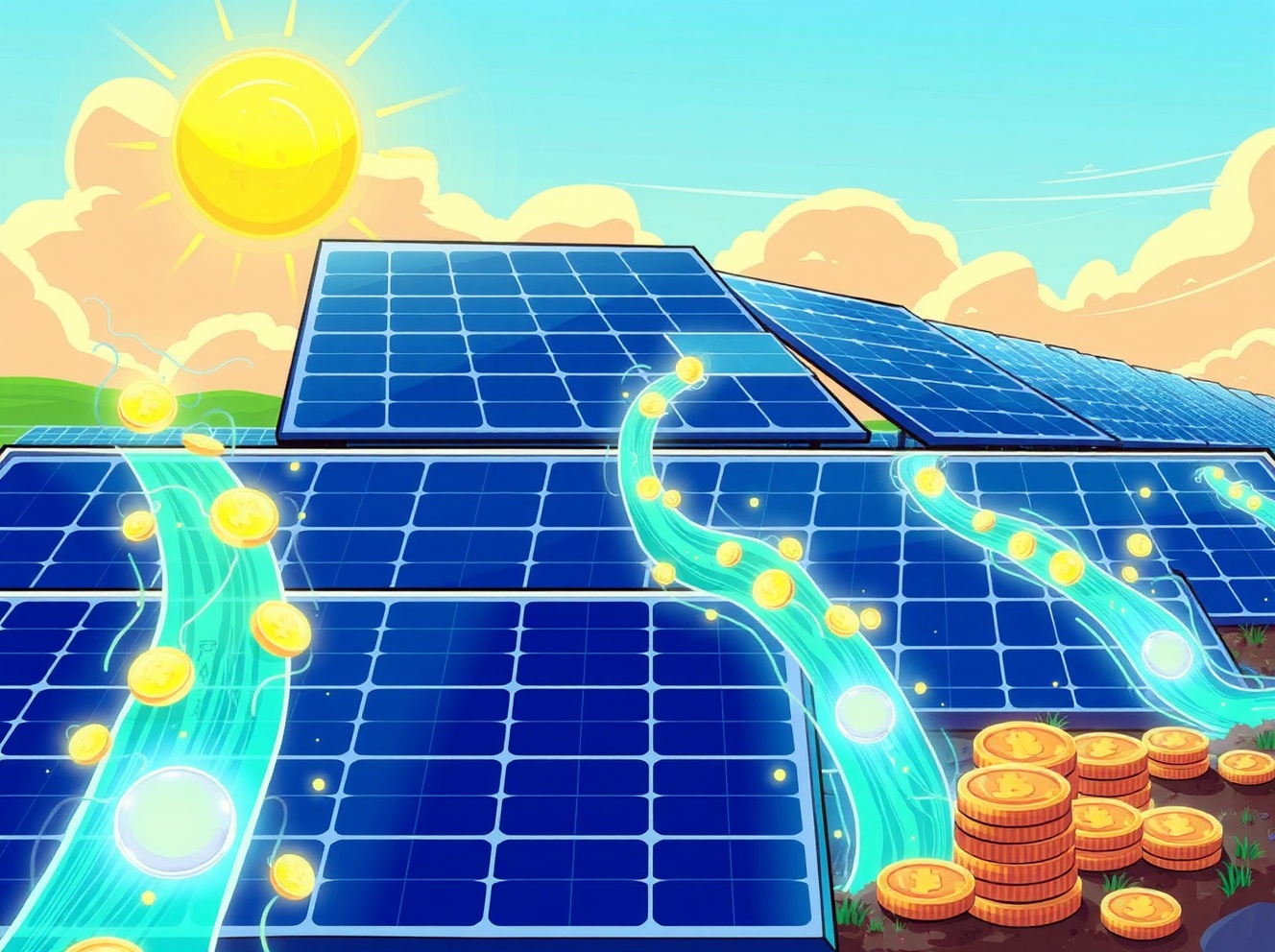
Cartoon illustration showing solar energy being converted into digital tokens to tokenize electricity revenue.

BitcoinWorld

Revolutionary: How Daylight’s New Protocol Lets You Tokenize Electricity Revenue for Crypto Yield

Imagine if the sun could power not just your home, but your cryptocurrency portfolio. This groundbreaking vision is now a reality. Blockchain startup Daylight has launched an innovative Ethereum-based DeFi protocol with one powerful mission: to tokenize electricity revenue. This move could fundamentally reshape how we finance renewable energy and interact with decentralized finance.

What Does It Mean to Tokenize Electricity Revenue?

At its core, Daylight’s new system, called DayFi, creates a bridge between physical infrastructure and digital assets. The protocol takes the predictable cash flows generated by new solar power facilities and converts them into crypto-based yield products. Therefore, investors can gain exposure to real-world energy assets through the familiar framework of DeFi.

The mechanism is elegant. When a solar farm generates electricity and sells it, that revenue stream is digitized. Daylight’s protocol then packages this financial value into tradable tokens on the Ethereum blockchain. This process allows capital to flow more efficiently into building new clean energy projects.

How Does the DayFi Protocol Actually Work?

The system relies on two primary tokens: the GRID stablecoin and the sGRID yield token. Think of GRID as a stable digital currency pegged to the value of the electricity produced. The sGRID token, however, is where the magic happens for yield seekers.

By holding sGRID, investors essentially earn a share of the revenue generated by the underlying solar assets. This setup provides a compelling answer to a critical question: How can DeFi generate sustainable, real-world yield? The answer is by anchoring it to a tangible, necessary commodity—electricity.

  • GRID Stablecoin: Acts as a stable medium of exchange, representing the base value of power.
  • sGRID Yield Token: Allows holders to earn passive income from solar farm revenue.
  • Capital Efficiency: Channels crypto investment directly into physical renewable energy expansion.

Why Is Tokenizing Energy Revenue a Game-Changer?

This model tackles two significant challenges simultaneously. First, it addresses the capital-intensive nature of building new solar infrastructure. By opening these projects to the global, 24/7 crypto market, fundraising can happen faster and from a broader pool of investors.

Second, it offers the DeFi ecosystem an asset class backed by real economic activity, not just speculative trading. This connection to the physical world could bring much-needed stability and legitimacy. Moreover, it aligns financial incentives with environmental progress—a powerful combination.

What Are the Potential Challenges and Considerations?

While the vision is transformative, the path has hurdles. Regulatory clarity around security tokens and real-world asset (RWA) tokenization is still evolving globally. The success of the protocol also depends on the reliable performance and revenue generation of the solar assets themselves.

Furthermore, the DeFi space is known for its complexity. Daylight must ensure the system is secure, transparent, and accessible enough for both crypto-native users and traditional green investors to participate confidently. Building this trust is paramount.

A Compelling Vision for a Sustainable Financial Future

Daylight’s launch represents more than just another DeFi protocol. It’s a bold step toward a future where financial markets directly fund the energy transition. The ability to tokenize electricity revenue creates a virtuous cycle: crypto capital builds solar farms, which generate clean power and revenue, which then flows back to token holders as yield.

This model has the potential to unlock trillions in value currently locked in illiquid infrastructure assets. It demonstrates how blockchain technology can move beyond digital speculation to solve real-world problems, creating a tangible impact on both our portfolios and our planet.

Frequently Asked Questions (FAQs)

Q: What does ‘tokenize electricity revenue’ actually mean?
A: It means converting the money earned from selling electricity (e.g., from a solar farm) into digital tokens on a blockchain. These tokens can then be traded, held, or used to earn yield, just like other cryptocurrencies.

Q: Is the GRID token a stablecoin?
A: Yes, the GRID token is designed as a stablecoin, meaning its value is pegged to the underlying revenue from electricity, aiming for price stability relative to that cash flow.

Q: How do I earn yield with sGRID?
A: By holding the sGRID token, you are entitled to a share of the revenue generated by the solar power facilities connected to the DayFi protocol. This revenue is distributed to holders, creating a yield.

Q: What are the risks involved?
A> Risks include smart contract vulnerabilities, regulatory changes, and the operational performance of the physical solar farms (e.g., less sunlight, maintenance issues affecting revenue).

Q: Can anyone invest in these tokens?
A: Access will depend on the platform’s requirements and local regulations. Typically, you would need a cryptocurrency wallet and likely need to interact with the protocol via a supported DeFi platform or exchange.

Q: How does this help the environment?
A: By providing a new, efficient way to fund the construction of new solar power facilities, the protocol directly channels investment into expanding renewable energy capacity, reducing reliance on fossil fuels.

Found this fusion of clean energy and crypto fascinating? Share this article on social media to spark a conversation about the future of sustainable finance! Let your network know how blockchain is powering real-world change.

To learn more about the latest trends in real-world asset (RWA) tokenization, explore our article on key developments shaping Ethereum’s role in institutional adoption and asset digitization.

This post Revolutionary: How Daylight’s New Protocol Lets You Tokenize Electricity Revenue for Crypto Yield first appeared on BitcoinWorld.

Disclaimer: The articles reposted on this site are sourced from public platforms and are provided for informational purposes only. They do not necessarily reflect the views of MEXC. All rights remain with the original authors. If you believe any content infringes on third-party rights, please contact service@support.mexc.com for removal. MEXC makes no guarantees regarding the accuracy, completeness, or timeliness of the content and is not responsible for any actions taken based on the information provided. The content does not constitute financial, legal, or other professional advice, nor should it be considered a recommendation or endorsement by MEXC.

You May Also Like

Solana Price Stalls as Validator and Address Counts Collapse

Solana Price Stalls as Validator and Address Counts Collapse

The post Solana Price Stalls as Validator and Address Counts Collapse  appeared on BitcoinEthereumNews.com. Since mid-November, the Solana price has been resonating within a narrow consolidation of $145 and $125. Solana’s validator count collapsed from 2,500 to ~800 over two years, raising questions about economic sustainability. The number of active addresses on the Solana network recorded a sharp decline from 9.08 million in January 2025 to 3.75 million now, indicating a drop in user participation. On Tuesday, the crypto market witnessed a notable spike in buying pressure, leading major assets like Bitcoin, Ethereum, and Solana to a fresh recovery. However, the Solana price faced renewed selling at $145, evidenced by a long-wick rejection in the daily candle. The headwinds can be linked to networks facing scrutiny following a notable decline in active validators and active addresses.  Validator Exodus Exposes Economic Pressure on Solana Operators The layer-1 blockchain Solana has witnessed a sharp decline in the number of its validators from 2,500 in early 2023 to around 800 in late 2025, according to Solanacompass data. The collapse has caused an ecosystem divide between opposing camps. One side lauds the trend, arguing that the exodus comprises nearly exclusively unreal identities and poor-quality nodes that were gaming rewards without providing real hardware and uptime. In their view, narrowing the list down to a smaller number of committed validators strengthened the network rather than cooled it down. Infrastructure providers that work directly with node operators have a different story to tell. Teams like Layer 33, which is a collective of 25 independent Solana validators, say, “We personally know the teams shutting down. It is not mostly Sybils.” These operators cited increasing server costs, thin staking yields because of commission cuts, and increasing complexity of keeping nodes profitable as reasons for shutting down. Both sides agree on one thing: raw validator numbers don’t tell us much in and of…
Share
BitcoinEthereumNews2025/12/10 12:05
Surges to $94K One Day Ahead of Expected Fed Rate Cut

Surges to $94K One Day Ahead of Expected Fed Rate Cut

The post Surges to $94K One Day Ahead of Expected Fed Rate Cut appeared on BitcoinEthereumNews.com. What started as a slow U.S. morning on crypto markets has taken a quick turn, with bitcoin BTC$92,531.15 re-taking the $94,000 level. Hovering just above $90,000 earlier in the day, the largest crypto surged back to $94,000 minutes after 16:00 UTC, gaining more than $3,000 in less than an hour and up 4% over the past 24 hours. Ethereum’s ether ETH$3,125.08 jumped 5% during the same period, while native tokens of ADA$0.4648 and Chainlink LINK$14.25 climbed even more. The action went down while silver climbed to fresh record highs above $60 per ounce. While broader equity markets remained flat, crypto stocks followed bitcoin’s advance. Digital asset investment firm Galaxy (GLXY) and bitcoin miner CleanSpark (CLSK) led with gains of more than 10%, while Coinbase (COIN), Strategy (MSTR) and BitMine (BMNR) were up 4%-6%. While there was no single obvious catalyst for the quick move higher, BTC for weeks has been mostly selling off alongside the open of U.S. markets. Today’s change of pattern could point to seller exhaustion. Vetle Lunde, lead analyst at K33 Research, pointed to “deeply defensive” positioning on crypto derivatives markets with investors concerned about further weakness, and crowded positioning possibly contributing to the quick snapback. Further signs of bear market capitulation also emerged on Tuesday with Standard Chartered bull Geoff Kendrick slashing his outlook for the price of bitcoin for the next several years. The Coinbase bitcoin premium, which shows the BTC spot price difference on U.S.-centric exchange Coinbase and offshore exchange Binance, has also turned positive over the past few days, signaling U.S. investor demand making a comeback. Looking deeper into market structure, BTC’s daily price gain outpaced the rise in open interest on the derivatives market, suggesting that spot demand is fueling the rally instead of leverage. The Federal Reserve is expected to lower…
Share
BitcoinEthereumNews2025/12/10 11:51