BitcoinWorld Bitcoin Price Plummets: Key Reasons Behind the Sudden Drop Below $89,000 The cryptocurrency market experienced a sharp jolt today as the Bitcoin price tumbled below the critical $89,000 support level. According to real-time data from Binance’s USDT trading pair, BTC is currently trading at $88,951.1. This sudden movement has sent ripples through the investor community, prompting urgent questions about market stability and future direction. Let’s break […] This post Bitcoin Price Plummets: Key Reasons Behind the Sudden Drop Below $89,000 first appeared on BitcoinWorld.BitcoinWorld Bitcoin Price Plummets: Key Reasons Behind the Sudden Drop Below $89,000 The cryptocurrency market experienced a sharp jolt today as the Bitcoin price tumbled below the critical $89,000 support level. According to real-time data from Binance’s USDT trading pair, BTC is currently trading at $88,951.1. This sudden movement has sent ripples through the investor community, prompting urgent questions about market stability and future direction. Let’s break […] This post Bitcoin Price Plummets: Key Reasons Behind the Sudden Drop Below $89,000 first appeared on BitcoinWorld.

Bitcoin Price Plummets: Key Reasons Behind the Sudden Drop Below $89,000
2025/12/07 07:40
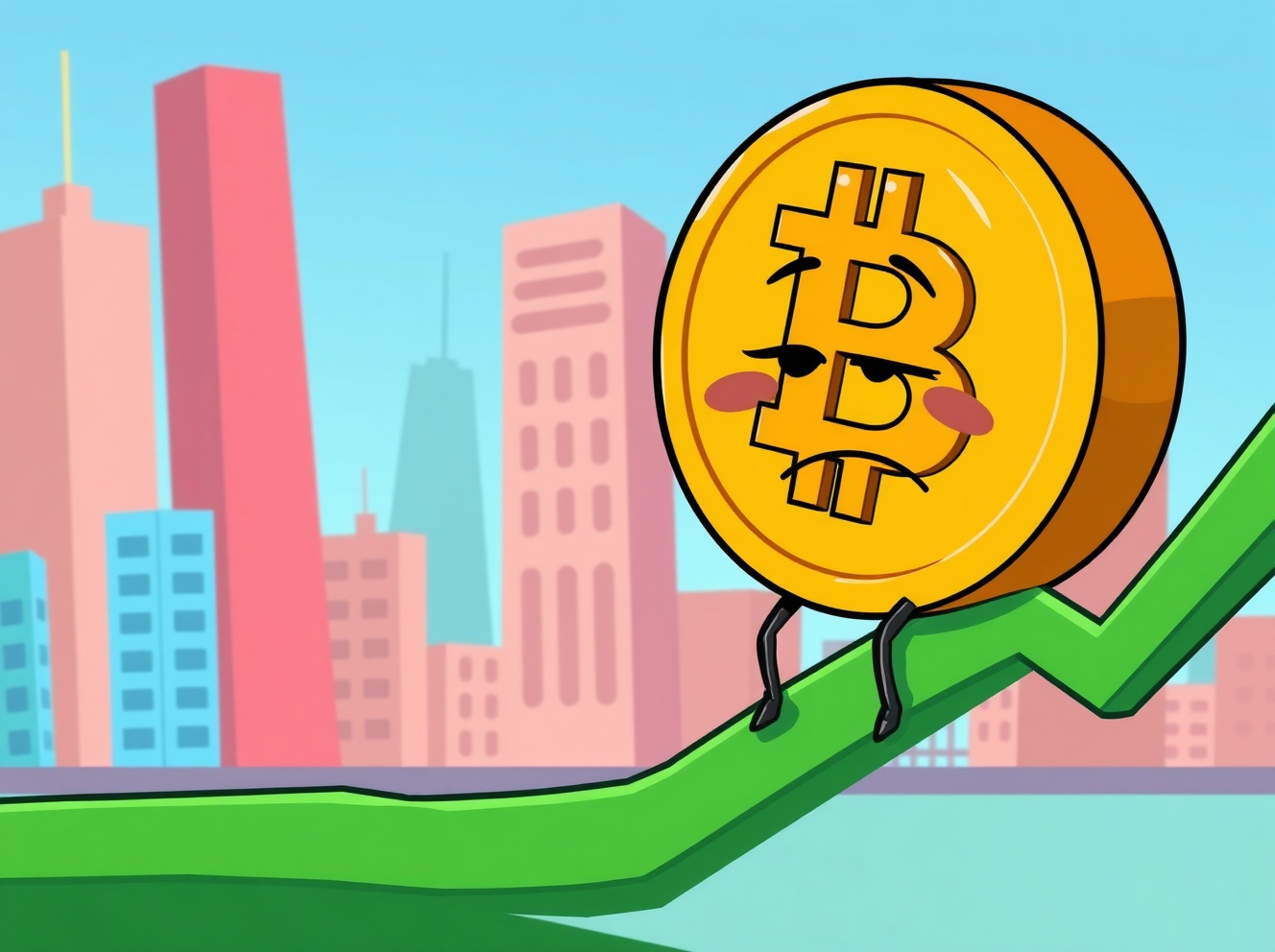
Animated illustration showing the Bitcoin price falling, with a concerned bull character.

BitcoinWorld

Bitcoin Price Plummets: Key Reasons Behind the Sudden Drop Below $89,000

The cryptocurrency market experienced a sharp jolt today as the Bitcoin price tumbled below the critical $89,000 support level. According to real-time data from Binance’s USDT trading pair, BTC is currently trading at $88,951.1. This sudden movement has sent ripples through the investor community, prompting urgent questions about market stability and future direction. Let’s break down what’s happening and why it matters for your portfolio.

Why Did the Bitcoin Price Fall Below $89,000?

Market corrections are a normal part of any asset’s lifecycle, and Bitcoin is no exception. The drop below $89,000 is likely a confluence of several factors. First, profit-taking by short-term traders after a recent rally can create immediate selling pressure. Second, broader macroeconomic concerns, such as interest rate fears or geopolitical tensions, often trigger risk-off sentiment, impacting high-volatility assets like crypto. Finally, large sell orders on major exchanges can trigger automated stop-losses, accelerating a downward move. Understanding these mechanics is crucial for navigating volatility.

What Does This Price Action Mean for Traders?

For active traders, this dip presents both a challenge and an opportunity. Key support and resistance levels are now being tested. The immediate focus will be on whether the Bitcoin price can hold above $88,000 or if further downside is imminent. Here are actionable insights for different trading styles:

  • For Swing Traders: Monitor the $88,000 level closely. A strong bounce could signal a buying opportunity, while a break below may indicate a trend reversal.
  • For Long-Term Holders (HODLers): Short-term fluctuations are often noise. This dip could be a chance to dollar-cost average if you believe in Bitcoin’s long-term thesis.
  • For New Investors: Volatility is standard. Never invest more than you can afford to lose and consider this a live lesson in market cycles.

How Should Investors React to Bitcoin’s Volatility?

Emotional decisions are the enemy of sound investment. When the Bitcoin price moves sharply, it’s vital to stick to your pre-defined strategy. Did you have a plan for a 5% or 10% drop? If not, now is the time to create one. Diversification remains a cornerstone of risk management. Furthermore, consider the source of your information. Rely on data from reputable exchanges and trusted analysts rather than social media hype. This disciplined approach separates successful investors from reactive speculators.

What’s the Future Outlook for the Bitcoin Price?

Predicting the exact future Bitcoin price is impossible, but we can assess the landscape. On-chain data, such as exchange flows and whale wallet activity, provides clues about investor sentiment. Additionally, institutional adoption trends and regulatory developments will play a significant long-term role. While today’s drop is notable, it’s a single data point in Bitcoin’s broader journey. The fundamental narrative around digital scarcity and decentralized finance remains unchanged for many proponents.

In conclusion, the break below $89,000 is a significant market event that demands attention but not panic. It underscores the inherently volatile nature of cryptocurrency markets. By focusing on data, maintaining a clear strategy, and understanding the underlying causes, investors can navigate these waves with greater confidence. The key takeaway is to use such movements as learning experiences to refine your approach to the dynamic world of crypto investing.

Frequently Asked Questions (FAQs)

Q1: Is the Bitcoin price drop a sign of a bear market?
A: Not necessarily. A single drop below a support level is a correction, not a confirmed bear market. A bear market is typically defined by a sustained downtrend over a longer period.

Q2: Should I sell my Bitcoin now?
A: This depends entirely on your investment goals and risk tolerance. Selling based on fear often leads to buying back at higher prices. Consult your investment plan before making emotional decisions.

Q3: What is a good entry point after this dip?
A: There is no perfect entry. Strategies like dollar-cost averaging (investing a fixed amount regularly) can help mitigate timing risk instead of trying to “catch the bottom.”

Q4: Could the Bitcoin price go lower than $88,000?
A: Yes, it is possible. Cryptocurrency prices are highly volatile. The next major support levels are often watched, but nothing is guaranteed in these markets.

Q5: How does this affect other cryptocurrencies (altcoins)?
A> Bitcoin often sets the tone for the broader crypto market. A significant drop in BTC’s price usually leads to larger percentage drops in most altcoins, a phenomenon known as “Bitcoin dominance.”

Q6: Where can I get reliable Bitcoin price data?
A> Use established tracking websites like CoinMarketCap or CoinGecko, and verify prices directly on major exchanges like Binance or Coinbase for the most accurate real-time data.

Found this analysis of the Bitcoin price movement helpful? Market insights are best when shared. Help other investors stay informed by sharing this article on your social media channels like Twitter, Reddit, or Telegram. Your share could provide the clarity someone needs to make a smarter decision today.

To learn more about the latest Bitcoin trends, explore our article on key developments shaping Bitcoin price action and institutional adoption.

This post Bitcoin Price Plummets: Key Reasons Behind the Sudden Drop Below $89,000 first appeared on BitcoinWorld.

Disclaimer: The articles reposted on this site are sourced from public platforms and are provided for informational purposes only. They do not necessarily reflect the views of MEXC. All rights remain with the original authors. If you believe any content infringes on third-party rights, please contact service@support.mexc.com for removal. MEXC makes no guarantees regarding the accuracy, completeness, or timeliness of the content and is not responsible for any actions taken based on the information provided. The content does not constitute financial, legal, or other professional advice, nor should it be considered a recommendation or endorsement by MEXC.

You May Also Like

South Korea Revisits Crypto Exchange Liability Amid Hacking Risks

South Korea Revisits Crypto Exchange Liability Amid Hacking Risks

The post South Korea Revisits Crypto Exchange Liability Amid Hacking Risks appeared on BitcoinEthereumNews.com. Key Points: South Korea considers no-fault liability for virtual asset exchanges. Legislation aims to enhance operator accountability in cyber attacks. Pending fines could reach 3% of sales for hacking cases. South Korea’s Financial Services Commission is contemplating imposing no-fault liability on virtual asset operators for hacking-related damages, according to a Yonhap News Agency report on December 7. This potential legislation aligns virtual asset operators with financial institutions, impacting regulatory dynamics and market stability in South Korea’s evolving crypto sector. South Korea Targets Crypto Exchanges with 3% Sales Fines The Financial Services Commission (FSC) of South Korea is considering adding a clause to its draft legislation, imposing no-fault liability on virtual asset operators. This move follows a series of 20 computer incidents on top Korean won exchanges, emphasizing the need for enhanced security measures. The FSC aims to align virtual asset exchange liabilities with those of financial companies. South Korean lawmakers are debating stricter penalties, with proposed fines reaching 3% of sales revenue, paralleling measures in the Electronic Financial Transactions Act. Current maximum fines are capped at 5 billion won. This legislative shift reflects the government’s commitment to improving user protection and response strategies in the crypto sector. Industry reactions have been mixed. While there has been no official statement from major exchanges like Upbit and Bithumb, stakeholders are closely monitoring developments. Discussions on cryptocurrency forums and social media emphasize the potential impact on exchange compliance efforts and security enhancements. No-Fault Liability: Potential Game-Changer for Crypto Compliance Did you know? The concept of no-fault liability is already applied to South Korean banks for voice phishing cases, setting a precedent for proposed crypto exchange regulations. According to CoinMarketCap, Bitcoin (BTC), as of 06:31 UTC on December 7, 2025, has a market cap of $1.79 trillion. The 24-hour trading volume declined by 41.05%…
Share
BitcoinEthereumNews2025/12/07 14:37
Unprecedented Surge: Gold Price Hits Astounding New Record High

Unprecedented Surge: Gold Price Hits Astounding New Record High

BitcoinWorld Unprecedented Surge: Gold Price Hits Astounding New Record High While the world often buzzes with the latest movements in Bitcoin and altcoins, a traditional asset has quietly but powerfully commanded attention: gold. This week, the gold price has once again made headlines, touching an astounding new record high of $3,704 per ounce. This significant milestone reminds investors, both traditional and those deep in the crypto space, of gold’s enduring appeal as a store of value and a hedge against uncertainty. What’s Driving the Record Gold Price Surge? The recent ascent of the gold price to unprecedented levels is not a random event. Several powerful macroeconomic forces are converging, creating a perfect storm for the precious metal. Geopolitical Tensions: Escalating conflicts and global instability often drive investors towards safe-haven assets. Gold, with its long history of retaining value during crises, becomes a preferred choice. Inflation Concerns: Persistent inflation in major economies erodes the purchasing power of fiat currencies. Consequently, investors seek assets like gold that historically maintain their value against rising prices. Central Bank Policies: Many central banks globally are accumulating gold at a significant pace. This institutional demand provides a strong underlying support for the gold price. Furthermore, expectations around interest rate cuts in the future also make non-yielding assets like gold more attractive. These factors collectively paint a picture of a cautious market, where investors are looking for stability amidst a turbulent economic landscape. Understanding Gold’s Appeal in Today’s Market For centuries, gold has held a unique position in the financial world. Its latest record-breaking performance reinforces its status as a critical component of a diversified portfolio. Gold offers a tangible asset that is not subject to the same digital vulnerabilities or regulatory shifts that can impact cryptocurrencies. While digital assets offer exciting growth potential, gold provides a foundational stability that appeals to a broad spectrum of investors. Moreover, the finite supply of gold, much like Bitcoin’s capped supply, contributes to its perceived value. The current market environment, characterized by economic uncertainty and fluctuating currency values, only amplifies gold’s intrinsic benefits. It serves as a reliable hedge when other asset classes, including stocks and sometimes even crypto, face downward pressure. How Does This Record Gold Price Impact Investors? A soaring gold price naturally raises questions for investors. For those who already hold gold, this represents a significant validation of their investment strategy. For others, it might spark renewed interest in this ancient asset. Benefits for Investors: Portfolio Diversification: Gold often moves independently of other asset classes, offering crucial diversification benefits. Wealth Preservation: It acts as a robust store of value, protecting wealth against inflation and economic downturns. Liquidity: Gold markets are highly liquid, allowing for relatively easy buying and selling. Challenges and Considerations: Opportunity Cost: Investing in gold means capital is not allocated to potentially higher-growth assets like equities or certain cryptocurrencies. Volatility: While often seen as stable, gold prices can still experience significant fluctuations, as evidenced by its rapid ascent. Considering the current financial climate, understanding gold’s role can help refine your overall investment approach. Looking Ahead: The Future of the Gold Price What does the future hold for the gold price? While no one can predict market movements with absolute certainty, current trends and expert analyses offer some insights. Continued geopolitical instability and persistent inflationary pressures could sustain demand for gold. Furthermore, if global central banks continue their gold acquisition spree, this could provide a floor for prices. However, a significant easing of inflation or a de-escalation of global conflicts might reduce some of the immediate upward pressure. Investors should remain vigilant, observing global economic indicators and geopolitical developments closely. The ongoing dialogue between traditional finance and the emerging digital asset space also plays a role. As more investors become comfortable with both gold and cryptocurrencies, a nuanced understanding of how these assets complement each other will be crucial for navigating future market cycles. The recent surge in the gold price to a new record high of $3,704 per ounce underscores its enduring significance in the global financial landscape. It serves as a powerful reminder of gold’s role as a safe haven asset, a hedge against inflation, and a vital component for portfolio diversification. While digital assets continue to innovate and capture headlines, gold’s consistent performance during times of uncertainty highlights its timeless value. Whether you are a seasoned investor or new to the market, understanding the drivers behind gold’s ascent is crucial for making informed financial decisions in an ever-evolving world. Frequently Asked Questions (FAQs) Q1: What does a record-high gold price signify for the broader economy? A record-high gold price often indicates underlying economic uncertainty, inflation concerns, and geopolitical instability. Investors tend to flock to gold as a safe haven when they lose confidence in traditional currencies or other asset classes. Q2: How does gold compare to cryptocurrencies as a safe-haven asset? Both gold and some cryptocurrencies (like Bitcoin) are often considered safe havens. Gold has a centuries-long history of retaining value during crises, offering tangibility. Cryptocurrencies, while newer, offer decentralization and can be less susceptible to traditional financial system failures, but they also carry higher volatility and regulatory risks. Q3: Should I invest in gold now that its price is at a record high? Investing at a record high requires careful consideration. While the price might continue to climb due to ongoing market conditions, there’s also a risk of a correction. It’s crucial to assess your personal financial goals, risk tolerance, and consider diversifying your portfolio rather than putting all your capital into a single asset. Q4: What are the main factors that influence the gold price? The gold price is primarily influenced by global economic uncertainty, inflation rates, interest rate policies by central banks, the strength of the U.S. dollar, and geopolitical tensions. Demand from jewelers and industrial uses also play a role, but investment and central bank demand are often the biggest drivers. Q5: Is gold still a good hedge against inflation? Historically, gold has proven to be an effective hedge against inflation. When the purchasing power of fiat currencies declines, gold tends to hold its value or even increase, making it an attractive asset for preserving wealth during inflationary periods. To learn more about the latest crypto market trends, explore our article on key developments shaping Bitcoin’s price action. This post Unprecedented Surge: Gold Price Hits Astounding New Record High first appeared on BitcoinWorld.
Share
Coinstats2025/09/18 02:30